Mamata Banerjee, Himanta Biswa Sarma and the New Political Realignment in India: Power, Populism and the Changing Grammar of Opposition Politics
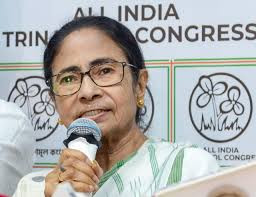
IIE DIGITAL DESK : The latest political discourse emerging from India’s regional power centres—particularly West Bengal under Mamata Banerjee and Assam under Himanta Biswa Sarma—highlights a broader transformation in the country’s federal political structure. These shifts are not merely electoral outcomes but represent deeper ideological battles over governance, identity, opposition politics and the future of India’s democratic framework.
West Bengal’s recent election outcome has triggered one of the most dramatic political transitions in the state’s modern history. After over a decade of Trinamool Congress (TMC) dominance under Mamata Banerjee, the Bharatiya Janata Party (BJP) has emerged as the dominant force in the state, marking a significant shift in voter preference and political alignment. The election has been widely interpreted as a watershed moment, reflecting both anti-incumbency sentiment and evolving identity-based political mobilisation in the region.
The centre of the debate is Mamata Banerjee herself—a leader who has long positioned herself as both a grassroots populist and a defender of Bengali identity politics. Her political journey, from dismantling the Left Front’s 34-year rule in 2011 to facing a formidable BJP challenge in 2026, reflects the changing nature of opposition politics in India. Analysts argue that her leadership style, while deeply rooted in mass mobilisation and welfare politics, has increasingly come under scrutiny for governance fatigue, allegations of corruption, and institutional centralisation of power.
The recent electoral defeat has intensified questions about the sustainability of regional strongman politics in an era of highly polarised national narratives. Mamata Banerjee’s refusal to accept the electoral outcome and her allegations of irregularities—including voter list manipulation and institutional bias—underscore the deep mistrust between ruling parties and opposition forces in India’s electoral ecosystem.
Assam Chief Minister Himanta Biswa Sarma represents a different model of regional leadership—one that is closely aligned with the Bharatiya Janata Party’s national strategy. Sarma’s political trajectory, from a Congress leader to a key BJP strategist and chief minister, highlights the fluidity of ideological affiliations in Indian politics. His governance model in Assam has been marked by strong executive action, aggressive identity-based policy framing, and a focus on consolidation of political authority within the state apparatus.
The simultaneous rise of Sarma in Assam and the BJP in West Bengal signals a broader consolidation of the National Democratic Alliance’s influence across eastern India. This shift has effectively redrawn the political map of the region, bringing previously resistant states into the broader national ruling framework.
This consolidation also raises important questions about the nature of opposition politics in India. With regional parties like the TMC facing electoral setbacks and ideological challenges, the space for alternative political narratives appears increasingly constrained. Critics argue that this may weaken federal diversity, while supporters of the BJP view it as the emergence of a more unified national political structure.
Identity politics remains a crucial driver in this evolving landscape. In West Bengal, debates around Bengali identity, migration, minority representation, and welfare politics continue to shape electoral behaviour. Assam, similar identity-based narratives—often linked to citizenship, demographic change and cultural nationalism—play a central role in shaping political outcomes.
Against this backdrop, the Indian National Congress and other opposition parties find themselves struggling to maintain relevance in both states. The lack of a coherent national opposition strategy has further amplified the dominance of the BJP-led coalition, particularly in regions where organisational strength and narrative control are decisive factors.
Another key dimension of this political transformation is the changing role of leadership personalities. Both Mamata Banerjee and Himanta Biswa Sarma exemplify strong, centralised leadership styles, but with contrasting ideological foundations. While Banerjee’s politics is rooted in welfare populism and regional identity assertion, Sarma’s governance approach is more aligned with national integration narratives and aggressive administrative reforms.
The tension between these models reflects a broader debate in Indian politics: whether regional identity-based governance can coexist with increasingly centralised national political frameworks.
The editorial discourse surrounding these developments suggests that India is entering a phase where electoral outcomes are increasingly shaped by a combination of governance performance, identity mobilisation, and organisational strength rather than traditional ideological divides alone.
Ultimately, the evolving political dynamics in West Bengal and Assam illustrate a larger national trend: the gradual consolidation of power by dominant national parties, the redefinition of regional leadership roles, and the shrinking space for fragmented opposition politics.
India moves forward, the challenge will not only be electoral competition but also the preservation of democratic plurality within a rapidly centralising political environment—where leaders like Mamata Banerjee and Himanta Biswa Sarma symbolise two contrasting but equally influential visions of regional governance in the 21st century.
You might also like!