
Spinach: A Nutrient‑Rich Green That Helps Manage Blood Sugar and Boosts Overall Health
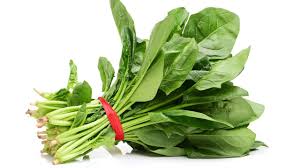
IIE DIUGITAL DESK : Spinach, also known as palak, is a leafy green vegetable packed with nutrients that can support overall health and may particularly benefit people looking to manage blood sugar levels. Nutrition experts describe it as a low‑glycemic food, meaning it has little effect on blood glucose spikes after eating — a quality that makes it a good choice for those with diabetes or anyone wanting to keep their blood sugar stable.
One of spinach’s most valuable features is its low glycemic index, which ensures that eating it does not cause sudden increases in blood sugar. It is also rich in dietary fiber, which slows digestion and the absorption of glucose into the bloodstream, helping to keep blood sugar levels in check throughout the day.
Beyond blood sugar management, spinach is a powerhouse of essential vitamins and minerals. It contains vitamins A, C and K, iron, potassium, calcium and magnesium, all of which support various body functions from immune health to bone strength. The antioxidants in spinach, including lutein and zeaxanthin, help protect cells from damage and reduce inflammation, which may lower the risk of chronic diseases.
Iron in spinach helps in the production of healthy red blood cells, potentially reducing the risk of iron‑deficiency anemia. While spinach contains non‑heme iron that’s less easily absorbed on its own, pairing spinach with foods high in vitamin C — such as citrus fruits or tomatoes — can enhance iron absorption.
The vegetable’s potassium content contributes to healthy blood pressure levels by helping blood vessels relax and balance sodium in the body. Magnesium and nitrates also support cardiovascular health. The fiber content promotes good digestion and may help with weight management by making you feel full longer.
Nutritionists suggest incorporating spinach into meals in ways that preserve its nutrients. Light cooking, such as steaming or adding spinach to soups, can improve the bioavailability of minerals like iron and calcium. Raw spinach can be enjoyed in salads, sandwiches, or smoothies, which helps retain heat‑sensitive vitamins like vitamin C.
Spinach should be eaten in moderation. It contains oxalates — natural compounds that can bind to minerals and potentially interfere with iron absorption or contribute to kidney stones in susceptible individuals. Pairing spinach with vitamin C‑rich foods can help reduce this effect and improve mineral uptake.
Spinach to a balanced diet may support blood sugar control, improve nutrient intake, strengthen immunity, and promote heart and bone health, making it a versatile and health‑supporting leafy green.
You might also like!