Transport Crisis in West Bengal as Election Duty Leaves Commuters Stranded, Daily Life Disrupted
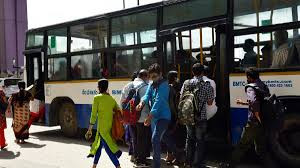
IIE DIGITAL DESK : Hooghly, April 22: The transport crunch was reported across several districts of West Bengal, including areas adjoining Hooghly, East Midnapore, West Midnapore, and Bankura, as polling-related deployment of vehicles led to a sharp shortage of public buses, leaving thousands of daily commuters stranded and struggling to reach their destinations.
From early Wednesday morning, bus services across multiple routes were drastically reduced, with only a limited number of passenger buses seen operating on the roads. The sudden decline in public transport availability forced commuters to depend heavily on alternative and often more expensive modes of travel, including pickup vans, shared auto-rickshaws, and small private vehicles.
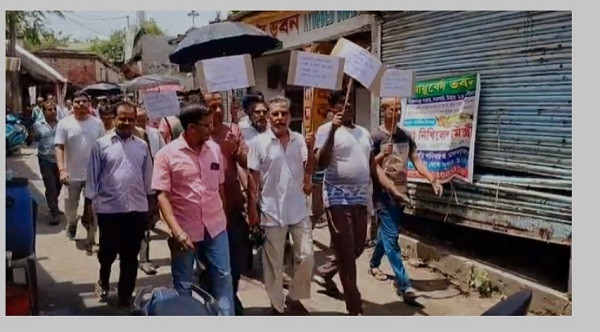
Demand for transport surged, allegations of overcharging quickly surfaced. Many passengers reported being forced to pay nearly double the usual fare due to the lack of regulated public transport options. The situation triggered widespread frustration among daily wage workers, office-goers, and students who rely heavily on affordable bus services for their daily commute.
Commuters also complained of long waiting times at bus stops, with many reporting that buses either did not arrive or were operating on heavily delayed schedules. The disruption caused significant inconvenience for people travelling for work, medical emergencies, and essential personal commitments, with several passengers stating that they were unable to reach their destinations on time.
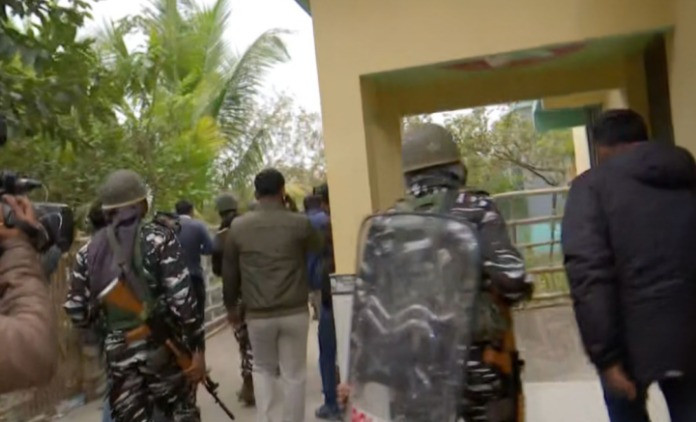
Local sources indicated that a large number of buses and commercial vehicles were requisitioned by the administration for election-related duties, which significantly reduced the availability of public transport on regular routes. This diversion of vehicles for polling purposes is believed to have created the widespread shortage witnessed across the region.
Officials, however, maintained that the arrangement was necessary to ensure the smooth conduct of the electoral process. According to administrative statements, the deployment of vehicles for election duty is a standard procedure aimed at supporting polling operations and maintaining logistical efficiency during voting.
Despite the justification, the transport disruption has raised concerns among residents and commuters, with many questioning the extent of planning involved in managing essential public services on election day. The situation has sparked debate over balancing electoral requirements with the daily mobility needs of ordinary citizens.
Voting activities continue across the state, the transport crisis has highlighted the broader challenges of managing large-scale logistical arrangements during elections, especially in semi-urban and rural regions where public transport is the primary mode of travel for most people.
You might also like!