International

13 hours ago

Extreme Heat Crisis: Bangladesh Garment Workers Bear the Hidden Cost of Rising Temperatures
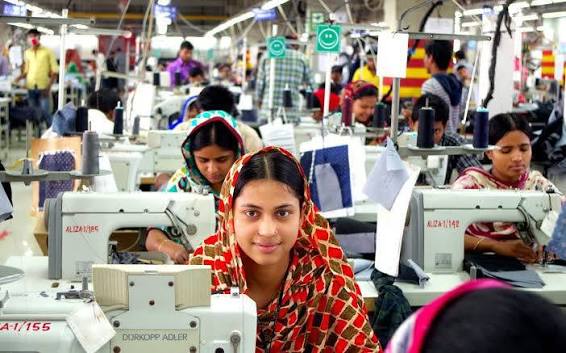
Bangladesh textile workers struggle with heat


IIE DIGITAL: As temperatures continue to rise across Bangladesh, millions of garment workers are facing a hidden financial burden to protect themselves from extreme heat while working in factories. For workers like Nasrin Begum, staying hydrated during long shifts has become an unavoidable expense despite their limited income.

Begum, a 32-year-old garment worker in Gazipur, spends more than 1,000 taka every month from her 14,000 taka salary on hydration salts, lemons and coconuts to cope with the intense heat. For her, these expenses are not a luxury but a necessity to remain healthy and continue working.

She is among nearly four million garment and textile workers in Bangladesh who are increasingly affected by rising temperatures. According to a World Bank study released in 2025, peak summer temperatures in Bangladesh have increased by around 1.1 degrees Celsius since 1980, slightly higher than the global average rise. High humidity has further intensified the impact, making temperatures feel significantly hotter.

Researchers and labour rights groups have warned that workers are paying an invisible "heat tax" as they spend additional money on cooling, hydration and health-related needs. Bangladesh currently does not have a separate national policy to manage heat risks for vulnerable groups, including industrial workers exposed to high temperatures.

In Gazipur's Konabari industrial area, where Begum works in a garment factory with fewer than 1,000 employees, fans and exhaust systems provide limited relief. The rising heat often forces her to take breaks to wash her hands and face with water to cool down during working hours.

Studies have shown that temperatures inside Bangladeshi factories frequently cross 30 degrees Celsius during summer months. The situation becomes more difficult after work, as homes remain hot throughout the night due to heat trapped in the ground and frequent power cuts that prevent proper rest.

Gazipur has also witnessed a significant rise in surface temperatures due to rapid urbanisation and the reduction of green spaces. A study published in 2024 found that land surface temperatures in the region increased by about 2 degrees Celsius between 2000 and 2020.

The rising cost of electricity has added further pressure on workers and factories. With electricity prices increasing, many low-income families are struggling to afford cooling solutions at home. "The price of electricity has been going up, impacting my monthly household expenses," Begum said.

Women workers face additional health challenges due to extreme heat. Bangladesh's national guidelines on heat-related illness have highlighted increased risks for pregnant women and newborns during hotter periods. Begum recalled that working during her pregnancy became extremely difficult, forcing her to take breaks and occasional leave, which resulted in wage deductions.

The heat crisis is also affecting garment manufacturers, who are investing more in cooling systems, ventilation and worker welfare measures. Factory owners are spending additional money on electricity, backup power, drinking water, hydration supplies and medical support.

Mohiuddin Rubel, managing director of Denim Expert Ltd., said his factory has introduced more fans, improved ventilation, increased access to drinking water and provided hydration breaks for workers. These measures, however, have increased operational costs by around 2 to 5 per cent.

Despite such efforts, many workers continue to bear most of the direct costs themselves. Another garment worker, Md. Safiqul Islam, spends nearly 2,500 taka every month on cold drinks, hydration salts and medicines during the summer. Several workers said they regularly buy saline solutions because these are not consistently provided by factories.

Apart from health concerns, extreme heat is also affecting productivity. Workers suffering from poor sleep due to hot nights often arrive at factories exhausted, while delays caused by heat-related difficulties can result in wage cuts.

Labour experts and industry leaders believe stronger government policies, improved electricity supply, better healthcare access and workplace heat management systems are essential to protect workers and maintain the resilience of Bangladesh's crucial garment sector. As temperatures rise, the hidden cost of heat continues to fall heavily on those who can least afford it.

You might also like!