Indian Rupee Hits Historic Low of 93 Against US Dollar Amid Global Pressures
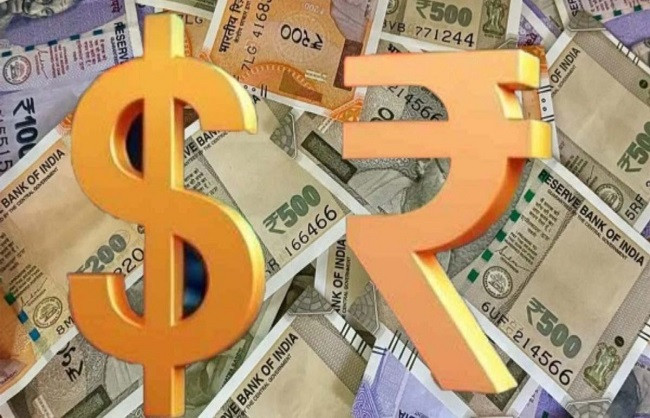
IIE DIGITAL DESK : March 20: The Indian rupee continued its downward slide against the US dollar, marking a historic low that has raised fresh concerns over the country’s economic outlook. On Friday, as currency markets opened, the rupee weakened further to touch the 93 mark against the United States Dollar for the first time ever, setting a new record in the history of India’s foreign exchange movement.
The day began with the rupee trading at 92.94 per dollar, already the weakest level it had ever reached. However, as trading progressed, the domestic currency slipped further, breaching the 93 level, highlighting persistent pressure in the forex market. This sharp depreciation reflects a continuation of the trend observed over the past several days, during which the rupee has consistently lost ground against the dollar.
Market observers point to a combination of global and domestic factors contributing to this decline, with geopolitical tensions in West Asia emerging as a major trigger. The ongoing instability in the region has pushed up global crude oil prices, a development that has significant implications for India’s economy. As one of the world’s largest importers of crude oil, India is heavily dependent on external sources to meet its energy needs. Any surge in oil prices directly increases the country’s import bill, putting additional strain on its fiscal balance and, consequently, on the rupee.
The rising cost of fuel imports has not only widened the trade deficit but also intensified demand for the US dollar, further weakening the Indian currency. Experts believe that such external shocks tend to amplify currency volatility, especially in emerging markets like India, where global capital flows and commodity prices play a crucial role in determining exchange rates.
Broader global economic conditions, including monetary policy trends in the United States and investor sentiment toward emerging markets, are also influencing the rupee’s trajectory. A stronger dollar globally often leads to capital outflows from countries like India, as investors seek safer or higher returns in US assets, thereby exerting additional pressure on the domestic currency.
The current underscores the vulnerability of the rupee to external disruptions and highlights the challenges faced by policymakers in maintaining currency stability amid a volatile global environment. While authorities may step in with measures to stabilize the currency, including interventions in the forex market or adjustments in monetary policy, the immediate outlook remains uncertain.
The rupee hovers at record lows, concerns are mounting over the potential impact on inflation, import costs, and overall economic growth. The depreciation could make imported goods more expensive, thereby affecting both businesses and consumers. With global uncertainties persisting, the trajectory of the rupee will continue to be closely watched by investors, policymakers, and market participants alike.
You might also like!