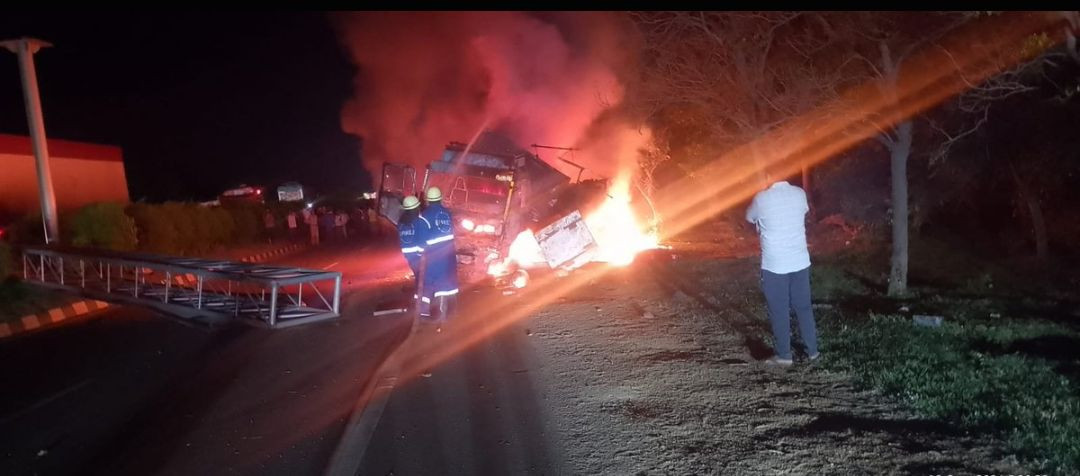
India’s Energy Situation: FM Sitharaman Insists There Is No Fuel Crisis as Global Pressures Mount
IIE DIGITAL DESK : Finance Minister Nirmala Sitharaman has delivered a robust defense of India’s economic and energy security, insisting that the country is well‑prepared to withstand global disruptions and that there is no immediate fuel crisis, including in the supply of LPG (liquefied petroleum gas) — a crucial cooking fuel for millions of households — even as geopolitical conflicts in West Asia continue to challenge global energy flows and domestic perceptions of shortages.
The Finance Minister portrayed the Indian economy as resilient and capable of absorbing shocks from multiple international crises. She said India’s economic foundation has been strengthened over the past decade, positioning the nation to navigate the aftermath of steep energy price swings and regional instability without systemic disruptions. Sitharaman reiterated that while global conditions remain volatile, domestic energy supplies — including LPG — are secure and adequate.
The minister highlighted that domestic LPG production has been increased by about 25 percent, a strategic move by the government to reduce dependence on imported fuel and counter supply risks arising from global turmoil. She emphasized that this enhanced production capacity, supported by household priority allocation and expanded refinery output, ensures that immediate shortages are unlikely.
Sitharaman’s reassurances come against the backdrop of ongoing Middle East tensions, particularly the conflict involving Iran and other regional powers, which have disrupted maritime traffic through the Strait of Hormuz, a vital transport route for crude oil and LPG shipments. India imports a significant portion of its LPG via this chokepoint, and altered shipping patterns have raised concerns about fuel flow interruptions. Despite this, the government maintains enough buffer stocks and increased local output to avert a crisis at present.
External indicators tell a more nuanced story. Recent data shows that LPG consumption in India has declined sharply amid shipment delays caused by Middle East disruptions, with state fuel retailers reporting significantly lower sales in early March compared with previous months. This drop reflects constraint‑driven supply prioritization of households over industrial users, as the government works to manage limited imported stocks.
Several industrial regions such as Punjab, businesses — particularly in the MSME sector — have felt the strain of fuel shortages more acutely, with critical operations stalling due to inadequate LPG availability. Manufacturing units in sectors like forging and fasteners have reportedly slowed production or shut temporarily, illustrating how energy supply issues can ripple through the broader economy, affecting jobs and output.
Political responses have also emerged, with legislative bodies such as the Punjab Assembly condemning what opposition leaders describe as “policy failures” in energy and foreign affairs, asserting that these shortcomings have contributed to tightening fuel supplies and rising prices. These criticisms underscore growing public and regional political frustration over energy management.
Beyond fuel, the broader economic impact of global disruptions is becoming more pronounced. Analysts point out that sustained geopolitical tensions could exert upward pressure on inflation rates, reversing recent gains in price control. While India successfully kept inflation within moderate bounds recently, renewed energy cost pressures and supply constraints in key industries have the potential to push overall price levels higher, challenging household budgets.
Moreover, the strategic importance of imported energy — particularly LPG and oil — remains a structural vulnerability. Even with enhanced domestic production, India will continue to rely on foreign supplies for a large share of its energy needs for the foreseeable future, making it susceptible to international market volatility and geopolitical risk. Analysts note that without consistent diversification of energy sources and greater renewable capacity, such dependencies will persist.
In response to these macroeconomic strains, Sitharaman also outlined a series of fiscal measures aimed at bolstering sectors beyond energy, including expanded allocations for rural employment schemes, fertilizer supply pre‑funding, targeted support for MSMEs (micro, small and medium enterprises), and additional assistance for regions like Jammu & Kashmir. These budgetary provisions are intended to cushion vulnerable economic segments and sustain growth momentum amid external pressures.
Public sentiment remains mixed. While government officials continue to reassure citizens, marketplaces and some households are grappling with periodic shortages and price hikes in essentials like cooking gas and transportation fuels, elevating concerns about cost of living and economic stability at the grassroots level.
India navigates a complex global energy landscape shaped by conflict, supply chain bottlenecks and fluctuating prices, the debate between official optimism and ground‑level anxieties reflects broader questions about energy security, economic resilience and the pace of structural reforms needed to safeguard consumers and businesses alike.
You might also like!