Are You Making These Common Mistakes While Cooking Cauliflower? Correct Them Now to Make Your Dish More Delicious!
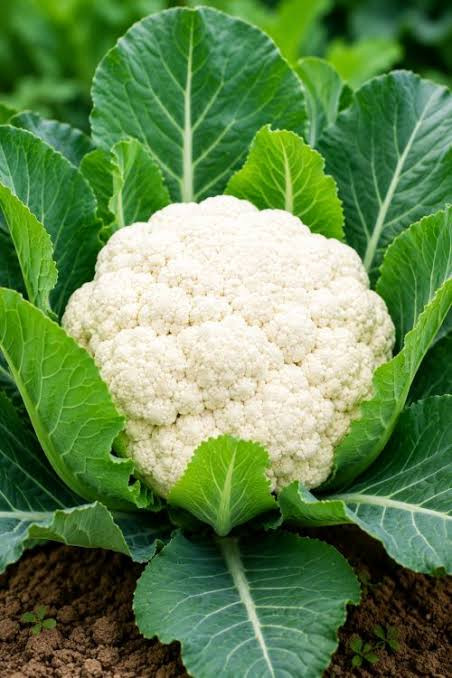
IIE DIGITAL DESK : Cauliflower is undoubtedly one of the most popular vegetables of the winter season. From crispy cauliflower fry to flavourful curries, this versatile vegetable finds a special place in Indian kitchens during the colder months
Cauliflower is undoubtedly one of the most popular vegetables of the winter season. From crispy cauliflower fry to flavourful curries, this versatile vegetable finds a special place in Indian kitchens during the colder months
. Whether served with rice, roti or paratha, a well-prepared cauliflower dish can easily compete with many non-vegetarian delicacies in terms of taste and flavour. However, cooking delicious cauliflower is not just about choosing the right ingredients or following a recipe. The way you cut, wash, fry and cook the vegetable also plays a major role in determining the final result.
Many people unknowingly make small mistakes while preparing cauliflower. These seemingly minor errors can affect its texture, flavour and overall appearance. Sometimes, despite spending considerable time and effort in the kitchen, the vegetable turns soggy, loses its natural taste or fails to absorb the spices properly. If you want your cauliflower curry or fry to taste restaurant-style, it is important to avoid a few common cooking mistakes.
Cut cauliflower into evenly sized pieces
The first step towards preparing a delicious cauliflower dish begins with cutting the vegetable properly. Many people cut cauliflower into pieces of different sizes without paying much attention to uniformity. However, unevenly cut florets can cook at different speeds. Smaller pieces may become too soft while larger ones remain undercooked.
To ensure that every piece cooks evenly, try to cut the cauliflower into similar-sized florets. This simple practice helps maintain a consistent texture and ensures that the vegetable absorbs the spices more uniformly. It also makes the final dish look more appealing when served.
Do not put wet cauliflower directly into the pan
One of the most common mistakes is washing cauliflower and immediately transferring it to a hot pan. Although washing is essential to remove dirt and unwanted impurities, excess water can spoil the frying process. When wet cauliflower is added directly to hot oil, the water releases moisture and reduces the effectiveness of frying. Instead of developing a crispy, lightly browned surface, the florets may begin to soften and become soggy.
After washing the cauliflower thoroughly, allow the excess water to drain. You can also gently pat the florets dry using a clean kitchen towel or tissue paper. Make sure the vegetable is reasonably dry before frying. This will help achieve a better texture and prevent the cauliflower from becoming unnecessarily watery.
Avoid cooking cauliflower on excessively high heat
Another mistake many home cooks make is keeping the flame too high while frying cauliflower. High heat may quickly turn the outside of the florets brown, creating the impression that they are properly fried. However, the inside may remain insufficiently cooked. As a result, the cauliflower can taste unevenly cooked and fail to develop the desired texture.
The ideal approach is to maintain medium heat and allow the vegetable to cook gradually. Stir occasionally so that the florets are evenly exposed to the heat. This helps the outside develop a pleasant golden colour while allowing the inside to cook properly. Patience during this stage can make a considerable difference to the final dish.
Do not add salt immediately while frying
Adding salt at the wrong stage is another small but important mistake. Salt draws moisture out of vegetables through a process called osmosis. If it is added too early while frying cauliflower, the vegetable may release water and begin steaming instead of frying properly.
For better results, allow the cauliflower to fry lightly before adding salt. Once the florets have started developing a light golden colour, add the required amount of salt and continue cooking. This can help preserve a better texture and improve the overall taste of the dish. However, the timing may vary slightly depending on the recipe and cooking method.
Give the spices enough time to enter the cauliflower
Many people prepare cauliflower curry and serve it immediately after switching off the flame. However, allowing the vegetable a little time to absorb the gravy and spices can improve its flavour. When cauliflower is cooked with tomatoes, ginger, cumin, turmeric and other spices, the flavours need time to blend.
After cooking, let the curry rest for a few minutes before serving. This allows the gravy to settle and the flavours to develop further. The result can be a richer and more satisfying dish. However, avoid leaving the cauliflower in the gravy for too long if you want to retain its texture.
Heat the pan properly before reheating cauliflower curry
Reheating leftover cauliflower curry also requires attention. A common mistake is pouring the curry into a pan before it has become sufficiently hot. Instead, allow the pan to heat up first and then transfer the curry into it. Reheat the food gradually, stirring gently to ensure that it warms evenly.
Avoid overheating the curry or cooking it for too long, as cauliflower can become excessively soft and lose its original texture. If the gravy has thickened during storage, a small amount of water may be added to achieve the desired consistency. Always ensure that leftovers are stored safely in the refrigerator and reheated thoroughly before consumption.
A few simple changes can transform your cauliflower recipe
Preparing delicious cauliflower does not always require expensive ingredients or complicated cooking techniques. Paying attention to a few basic steps can make a noticeable difference. Cutting the florets evenly, removing excess moisture, controlling the heat, adding salt at the right stage and allowing the spices to blend properly can help improve both the taste and texture of the dish.
So, the next time you bring home fresh winter cauliflower, remember these simple kitchen tips. Avoiding these common mistakes can make your favourite cauliflower fry or curry more flavourful, appetising and enjoyable. Sometimes, the secret to a delicious homemade meal lies not in adding more ingredients but in getting the basic cooking techniques right!
You might also like!