Middle East Tensions: Houthi Drone Attack on Riyadh Tower Sparks 9/11 Memories, Building Engulfed in Flames
IIE DIGITAL DESK ; Riyadh, November 20: Terrifying scenes from Saudi Arabia have brought back memories of the devastating September 11, 2001, terrorist attacks on the World Trade Center in New Yo
Terrifying scenes from Saudi Arabia have brought back memories of the devastating September 11, 2001, terrorist attacks on the World Trade Center in New Yo
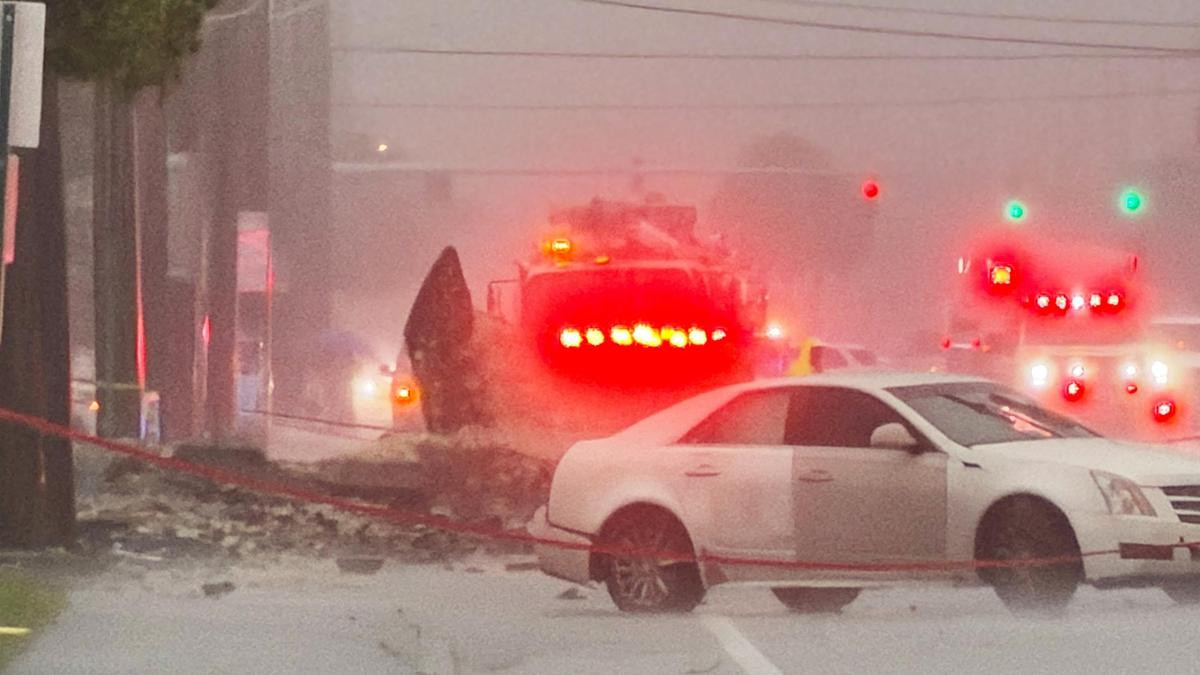
rk. A drone strike reportedly targeted Riyadh Tower, one of the prominent high-rise structures in the Saudi capital, triggering a massive fire in the middle section of the building. Thick flames and smoke were seen rising from the structure as concrete debris reportedly fell from the damaged sections. The incident took place on Thursday, according to the information provided in the initial reports. However, the Saudi government has claimed that no casualties were reported in the incident.
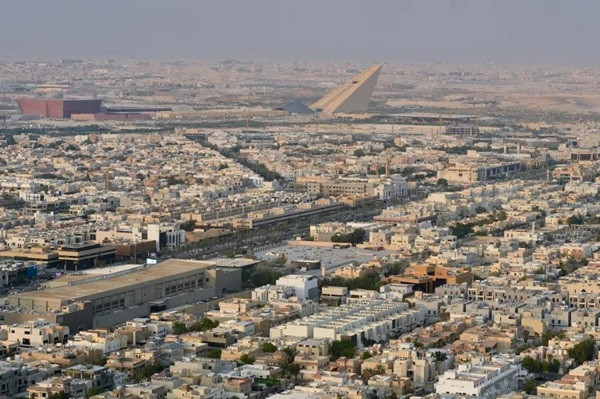
The reported attack has intensified concerns over the growing security situation in the Middle East, particularly amid escalating tensions involving Saudi Arabia and Yemen's Iran-backed Houthi rebel group. Riyadh Tower, located in the prestigious King Abdullah Financial District (KAFD), is among the most recognisable skyscrapers in the Saudi capital. The reported drone strike has caused significant damage to the building, while the force of the explosion is also said to have affected several nearby structures in the commercial district.
Videos and photographs purportedly showing the incident have been circulating widely on social media. The visuals have sparked widespread concern, with footage appearing to show flames spreading across the central portion of the tower and debris falling from the damaged structure. The dramatic scenes have drawn comparisons with the September 11 attacks, when Al-Qaeda terrorists struck the Twin Towers of the World Trade Center in the United States. However, the circumstances and scale of the two incidents are entirely different, and the comparison is primarily based on the striking visuals of a high-rise building engulfed in flames.
The reported involvement of the Houthi rebels has added another dimension to the already volatile regional situation. The group, which operates primarily from Yemen and is backed by Iran, has repeatedly been accused of targeting strategic infrastructure and economic assets in the region. Saudi Arabia has remained a key party in the conflict involving Yemen and the Houthi movement. Any reported attack on a major commercial landmark in Riyadh is therefore likely to raise fresh questions about the country's air defence preparedness and the vulnerability of critical urban infrastructure.
What makes the latest incident particularly concerning is that it reportedly comes amid a series of attacks targeting important Saudi economic establishments. Earlier, on November 8, the Iran-backed Houthi rebels allegedly launched an attack on a building associated with Saudi oil giant Aramco. The incident reportedly caused substantial damage to the facility and raised concerns about the security of the country's vital energy infrastructure. If the latest reports are confirmed, the incident involving Riyadh Tower would mark another significant escalation in attacks on high-profile Saudi assets during the same month.
Saudi Arabia's economic and commercial infrastructure plays a crucial role in the country's development strategy. The King Abdullah Financial District is one of the most important business and financial hubs in Riyadh, housing major corporate offices, financial institutions and commercial establishments. Any attack on such a prominent location could have implications beyond physical damage, potentially affecting investor confidence and raising concerns among international businesses operating in the country.
The growing use of drones in modern warfare has emerged as a major security challenge for countries across the Middle East. Unlike conventional missiles, relatively inexpensive unmanned aerial vehicles can be deployed in coordinated operations and may pose complex challenges for air defence systems. Their ability to target infrastructure, commercial buildings and strategic installations has changed the nature of security threats across the region.
The reported attack on Riyadh Tower has once again highlighted the increasing risks faced by major urban centres in the Middle East. Although Saudi authorities have maintained that there were no casualties, questions remain about the extent of the structural damage and the circumstances surrounding the incident. The situation is likely to attract international attention as regional tensions continue to threaten the security of important economic and strategic locations.
You might also like!