Four Cheetah Cubs Born to Botswana-Brought Female in India, Project Cheetah Achieves Another Major Milestone
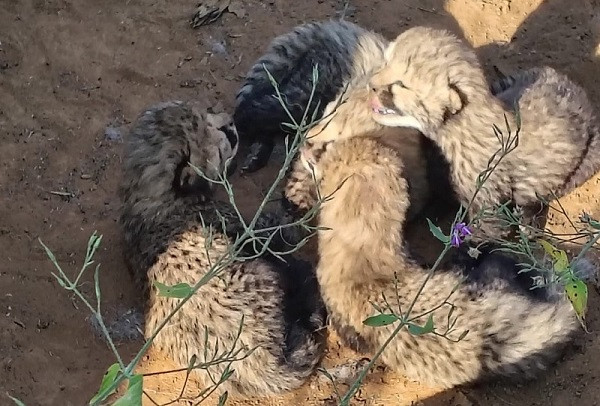
IIE DIGITAL DESK ; New Delhi, November 20: India’s ambitious cheetah conservation programme has achieved another significant milestone with the birth of four healthy cubs to a female cheetah brought from Botswana. The two-and-a-half-year-old female, identified as KMG 3, gave birth to the four cubs in a natural forest environment on Friday. With the latest addition, India's total cheetah population has increased to 62, of which 43 have been born on Indian soil. The development has brought fresh encouragement to wildlife conservation efforts and strengthened hopes for the long-term success of Project Cheetah.
Union Minister for Environment, Forest and Climate Change Bhupender Yadav announced the development through a post on X. Describing the birth as an important achievement for India's cheetah reintroduction initiative, the minister highlighted the significance of the latest development, particularly because the mother is the first female cheetah brought from Botswana to give birth in India.
What makes the development particularly encouraging is that the female cheetah had been living in the natural forest environment for more than four months before giving birth. The successful birth of four cubs under natural conditions is being viewed as a positive indication of the progress made in creating a suitable habitat for the big cats. Conservation experts and wildlife enthusiasts have long emphasised that the ultimate objective of Project Cheetah is not merely to bring cheetahs from other countries but to establish a self-sustaining population capable of surviving and reproducing in India's natural wilderness.
The latest birth is also significant because it marks the second documented instance of cheetah cubs being born in the wild since the launch of Project Cheetah in 2022. The first successful wild birth was an important breakthrough for the programme, and the latest development has further strengthened expectations surrounding the future of cheetah conservation in the country.
Bhupender Yadav described the development as a proud moment for Project Cheetah. According to the minister, every new birth strengthens the country's conservation ambitions and deepens its commitment to protecting wildlife. He also underlined that successful wildlife conservation requires patience, consistent efforts and collective participation from everyone involved.
The minister particularly acknowledged the dedication and hard work of the Project Cheetah director, veterinarians, forest department personnel and other experts associated with the initiative. Their continuous monitoring, scientific management and commitment have played an important role in ensuring the safety and well-being of the animals.
India launched Project Cheetah in September 2022 with the objective of reintroducing cheetahs into the country's natural ecosystem after the species became extinct in India in 1952. Under the programme, cheetahs were brought from Namibia and subsequently from South Africa and Botswana as part of a wider international conservation effort. The animals were initially placed in specially prepared enclosures before being gradually introduced into larger natural habitats.
The Kuno National Park in Madhya Pradesh has remained at the centre of this ambitious initiative. The project has faced several challenges, including the deaths of some relocated cheetahs, concerns over adaptation to Indian climatic conditions and the difficulties associated with breeding and maintaining a healthy population. Despite these setbacks, the birth of cubs in India has provided renewed optimism for conservation authorities.
The arrival of four more cubs is therefore more than just an increase in numbers. It represents another encouraging step towards establishing a breeding population of cheetahs in India. Their survival and eventual adaptation to the wild will be closely monitored by wildlife experts.
India, where the cheetah disappeared from the wild more than seven decades ago, every successful birth carries considerable ecological and conservation significance. The latest development has once again placed Project Cheetah in the spotlight, raising hopes that the iconic big cat could gradually reclaim its place in the country's grasslands and forest ecosystems.
The total population now reaching 62, including 43 India-born cheetahs, the latest achievement offers a fresh reason for optimism. The real test, however, will be ensuring the long-term survival of the newborn cubs and building a stable, naturally breeding cheetah population in the country.
You might also like!