The Loneliest Tree on Earth: How a Drunk Driver Ended a 300-Year Sahara Survivor
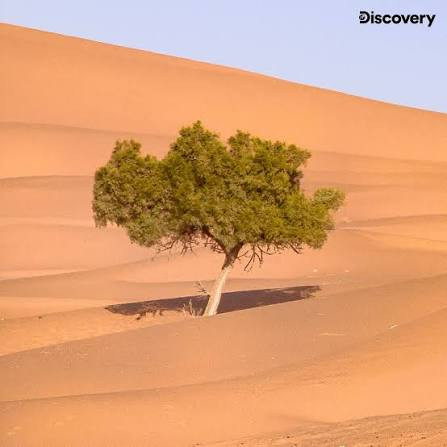
IIE Digital Desk: For more than three centuries, a single cultivated tree endured the harsh conditions of one of nature's most hostile environments. With no other tree growing within 400 kilometers of its location, the Tree of Ténéré in Niger's Sahara Desert is considered the "world' solitary tree." This is a well-known fact. Nevertheless, after enduring centuries of scorching temperatures and dry spells without being seen for miles, its remarkable tale was abruptly cut short by a single truck accident.
Not only was the Tree of Ténéré a desert shrub, it also contained other elements. It was a vital reference point for travelers traversing the expansive Sahara.' For generations, nomads and caravan traders used the tree as a navigational point through an expanse of endless stretches where there was never sand. Its existence left explorers and scientists perplexed, as they wondered how a single tree could thrive in such an unforgiving environment.
Eventually, investigations identified its resilience. Rooted over more than 30 metres underground, the tree has found a way to tap into vast groundwater reserves deep under the desert. This unique adaptation enabled the acacia to survive in conditions that would have killed most other plants. It became renowned in the 20th century when divers discovered its unusual isolation. The tree was considered to be one of the most distant in the world and became a symbol of perseverance and survival. Despite the increasing presence of modern roads and vehicles, the tree remained upright and held up to extreme heat and fierce winds in the desert.
In 1973, the centuries-long struggle against nature came to an abrupt end. The tree was reportedly knocked down by a drunk driver of lorry, according to reports.' In a brief moment, he caused the world to unravel with the destruction of relics that had endured hundreds of years of environmental damage.
The irony of the tree's fate has persisted among people around the world. Despite weather conditions, desert, and isolation it was incapable of enduring any human error. However...it perished. Many people view the destruction of the Tree of Ténéré as a significant reminder that humans have made an incredible impact on natural heritage. The remaining tree was saved and relocated to the National Museum of Niger in Niamey after being desecrated. Now, a metal sculpture stands near the original site where this mythical tree was once kept and is said to be remembered.
Even today, the tale of the Tree of Ténéré remains one of nature's most remarkable stories. The fact that it has been thriving in the Sahara without external influence for over 300 years is still highly valued. Even though it ended in tragedy, the event's tragic outcome teaches us about how fragile even the most robust representations of nature can be.
Despite its absence from the desert terrain, the "world's loneliest tree" remains a visual reminder of perseverance, adjustment, and the potential for change.
You might also like!