Why Protests Have Erupted Across Pakistan-Occupied Kashmir
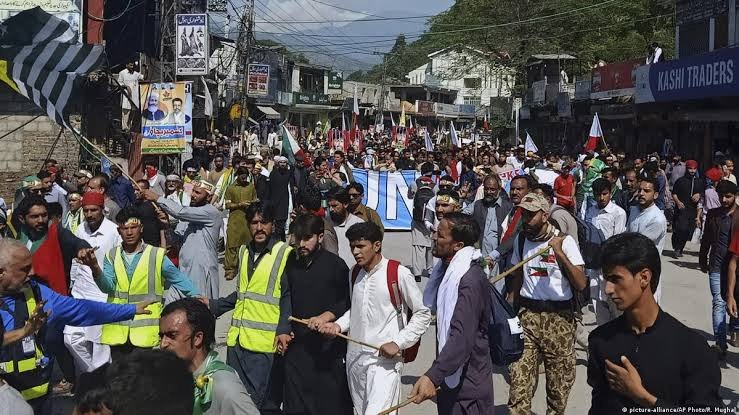
IIE Digital Desk: A major episode of unrest in Pakistan-occupied Kashmir (PoK) has unfolded, with widespread protests over electoral reforms leading to violent confrontations between demonstrators and security personnel. This is not the only occurrence in recent years. The crisis has caused numerous fatalities, as well as hundreds of injuries, leading to increasing worry among global human rights organizations.
The protests are being led by the Joint Awami Action Committee (JAAC), a group of traders, lawyers, students and transport workers as well as representatives from civil society. Their main point of contention is to eliminate seats in the legislative assembly that are designated for refugees from Indian-administere dominated Kashmir. JAAC leaders argue that these reserved seats allow Islamabad to exercise an "over-the-top" influence over the political affairs of the region, thus restricting the voice and representation of local people.
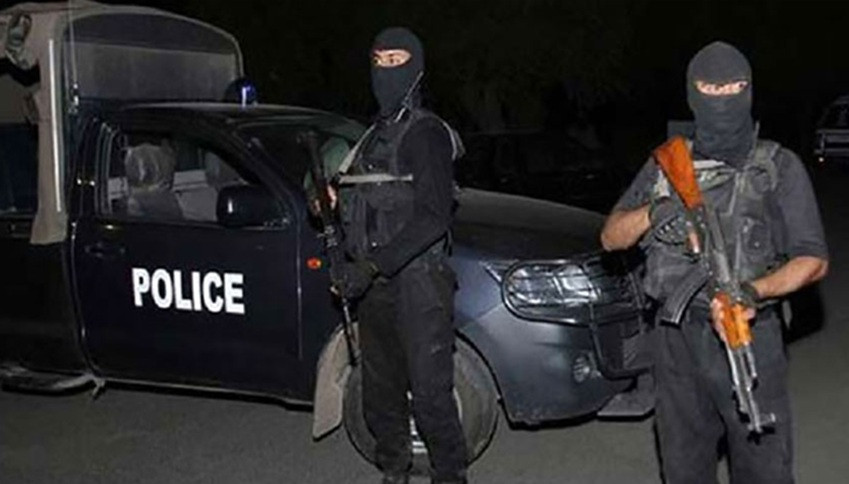
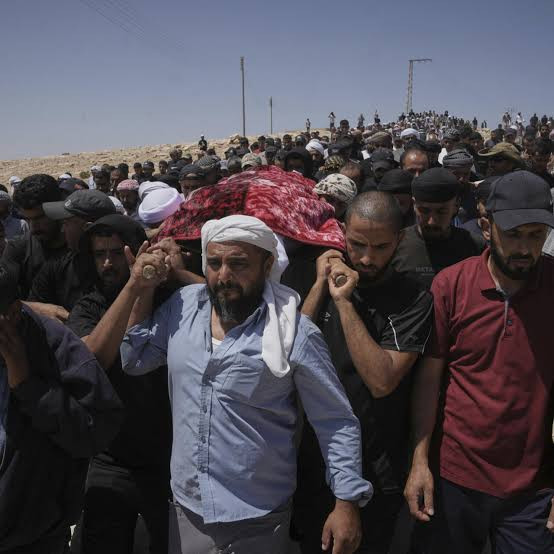
After the protesters and the regional administration failed to reach an agreement, tensions flared up. Key towns, such as Muzaffarabad and Mirpur, were flooded with protesters who orchestrated rallies or closed off roads. They also led public demonstrations. The authorities responded by implementing stricter security measures, restricting access to the internet and mobile networks, and tightening monitoring in the area. The clashes between protesters and law enforcement officials resulted in deadly confrontations. Protesters were met with gunfire from security forces, as reported by protest organisers and various media outlets. Critics from human rights groups, including Amnesty International, have condemned the violence, demanded an independent inquiry into the use of force, and urged authorities to restore communication services and ensure accountability.
The allegations have been contradicted by Pakistani officials. Armed groups are accused by the government of invading and disrupting the election process during the protests. Law enforcement officials assert that security personnel acted in self-defense following an attack and maintain that their main objective is to restore lawlessness while conducting elections.
The crisis has caused a political upheaval. The protesters were referred to as "enemies like India" by Pakistan's Defence Minister Khawaja Asif, who defended their actions. This move caused widespread criticism and further intensified the conflict. Due to the worsening security situation, elections in various regions of the region have been postponed. Experts suggest that the protests reflect deeper issues such as governance and political representation, as well as Islamabad's involvement in administering Pakistan-occupied Kashmir. The increasing dissatisfaction is believed by many to be a result of long-standing demands for greater regional autonomy, democratic accountability, and greater public participation.
With security on the alert and protests ongoing, the unrest has garnered international attention. All parties have been encouraged by human rights organizations to demonstrate moderation, maintain openness and constructive dialogue, and refrain from escalating the conflict as violent incidents may worsen the instability of the area and undermine public faith in democracy.
The tables turned in PoK.
— OsintTV 📺 (@OsintTV) July 29, 2026
Surrounded from all directions, Pakistani forces were forced to retreat as local resistance grew stronger.
A new chapter of resistance is being written. pic.twitter.com/Iraea26nbl
You might also like!