ICC Slaps Arshdeep Singh with Penalty for Dangerous Conduct in T20 World Cup Final
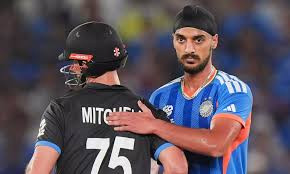
IIE DIGITAL DESK : Indian fast bowler Arshdeep Singh has found himself in hot water even after celebrating his team’s T20 World Cup victory, as the International Cricket Council (ICC) handed him a strict punishment for dangerous conduct during the final against New Zealand. The controversy erupted in the high-stakes match when Arshdeep bowled a delivery that struck New Zealand batter Daryl Mitchell, leading to a heated on-field exchange between the two players. Despite issuing an apology immediately after the incident, the ICC ruled that disciplinary action was necessary under its code of conduct guidelines, confirming that Arshdeep would face financial penalties and demerit points.
The incident occurred in the 11th over of the final, when Daryl Mitchell hit two consecutive sixes off Arshdeep Singh’s bowling. On the very next delivery, Arshdeep attempted a wide yorker, which Mitchell deflected back towards him. In a moment of tension, Arshdeep threw the ball in the direction of the stumps, making contact in a manner that risked injuring Mitchell. The confrontation escalated quickly, with both players exchanging heated words. India captain Suryakumar Yadav intervened promptly to defuse the situation, while on-field umpire Richard Illingworth expressed clear disapproval of Arshdeep’s actions. The situation drew the attention of cricket fans worldwide, with many anticipating a formal disciplinary response from the ICC.
Following a review of the match footage and incident report, the ICC’s Elite Panel of Match Referees, led by Andy Pycroft, concluded that Arshdeep Singh had violated Article 2.9 of the ICC Code of Conduct, which classifies throwing the ball or any equipment in the direction of another player as dangerous or unfair behavior. Under this regulation, any such action aimed at a nearby player is considered serious and warrants penalties. The ICC confirmed that Arshdeep acknowledged his mistake and admitted to the offense, which allowed the referee to impose sanctions without a separate hearing.
As per the ICC ruling, Arshdeep Singh has been fined 15 percent of his match fee for the offense, with a demerit point also added to his disciplinary record. This action will remain on his record for a specified period, influencing his conduct evaluation in future matches. The ICC emphasized that while Arshdeep had apologized on the field, maintaining the integrity and safety of players is paramount, and dangerous behavior, regardless of intent, cannot be overlooked.
The controversy highlights the pressures faced by players in high-stakes matches and the fine line between competitive aggression and unsafe conduct. Experts noted that such incidents, though rare, reinforce the ICC’s commitment to ensuring player safety and maintaining decorum on the field. Arshdeep Singh, widely recognized for his composure and skill as a fast bowler, now has the additional responsibility of avoiding repeat offenses to protect his disciplinary record and maintain the respect of the cricketing community.
Fans and analysts alike have debated the intensity of Arshdeep’s actions, with some suggesting it was an emotional reaction to the pressure of the World Cup final. Others praised the prompt intervention by team leaders and umpires, which prevented the confrontation from escalating further. While the fine and demerit point serve as a formal reprimand, they also act as a reminder to all international players about the importance of sportsmanship, respect for opponents, and adherence to ICC regulations in maintaining the integrity of cricket.
Despite the disciplinary action, Arshdeep Singh remains a key asset for the Indian team, and his performance throughout the tournament continues to be celebrated. However, the ICC’s ruling ensures that his behavior in future matches will be closely monitored, and any repeat violation may attract harsher penalties, reinforcing the standards expected at the highest level of international cricket.
You might also like!