India Survive Japan Scare, Shreyas Iyer’s Team Edge to Two-Run Victory in Rain-Hit Match
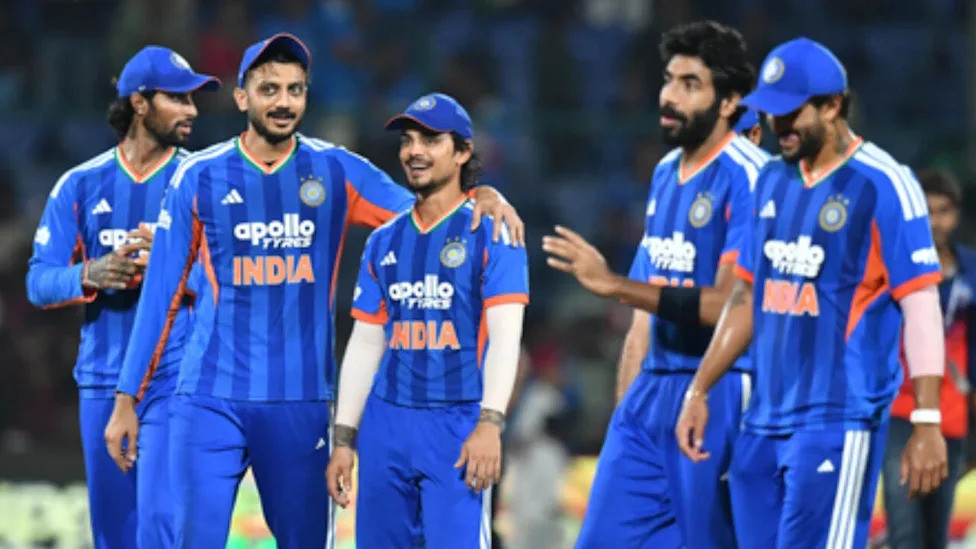
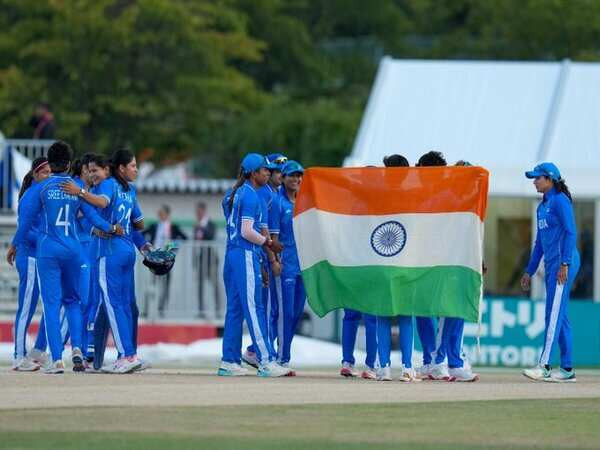
IIE DIGITAL DESK ; Sano, September 22: India were pushed surprisingly hard by Japan in a rain-shortened cricket match, eventually securing a narrow two-run victory in the final over. With persistent rain reducing the contest to just five overs per side, India managed to score 32/4, with Shreyas Iyer contributing 16 runs. Japan came close during the chase, finishing on 30/3, but India held their nerve to secure victory in a tense finish.
The match was organised as part of the celebrations marking 75 years of diplomatic relations between India and Japan. The cricket contest was expected to be another occasion for India to showcase its considerable cricketing experience, particularly against a Japanese side that does not have the same international cricketing pedigree. However, the match turned into a much more competitive affair than many spectators had anticipated.
Before the contest began, expectations were heavily tilted towards India. With India regarded as one of the leading cricketing nations and having a strong international record, many observers expected the match to be comfortably controlled by the Indian side. A significant number of spectators had also arrived hoping to watch India's star players dominate the game.
The weather, however, changed the nature of the contest completely. Rain forced the match to be reduced to only five overs per side, leaving both teams with very little time to settle at the crease. In such a short format, every delivery became important and a single wicket or boundary could have a major impact on the final result.
India batted first and found scoring difficult on a shortened and pressure-filled occasion. Shreyas Iyer emerged as the leading contributor with 16 runs, but India lost four wickets while reaching only 32 runs from their five overs. Japan's Charlie was particularly effective with the ball, claiming 2 wickets for 17 runs and preventing India from building the kind of total that many had expected before the match.
Although 32 runs appeared to be a modest target, the reduced five-over format meant Japan had a realistic opportunity to challenge India. The Japanese batters began their chase with the knowledge that they needed to score quickly, while India's bowlers were under pressure to take early wickets and prevent boundaries.
Japan managed to stay in contention throughout their innings. Kendall scored 12 runs, providing an important contribution as the home side attempted to chase down India's total. However, Japan lost three wickets and ultimately finished at 30/3, falling just two runs short of India's total.
Washington was among India's most effective bowlers, taking 2 wickets for 13 runs. Those breakthroughs proved important as Japan attempted to build momentum during the five-over chase. India's bowlers were able to restrict the scoring during the crucial stages, although Japan remained within touching distance until the final deliveries.
The narrow margin meant the match went down to the wire. India, who had been expected to dominate the contest, instead found themselves defending a tiny total against an increasingly confident Japanese side. The final result was therefore a memorable moment for Japan's cricketing community, even though India eventually emerged victorious.
The contest also provided an opportunity to highlight the development of cricket in Japan. While cricket remains far less prominent in Japan than sports such as baseball, football and rugby, the national cricket structure has continued to develop, with the country seeking greater participation and international recognition. Facing a major cricketing nation such as India provided Japanese players with valuable competitive experience.
For India, the match served as a reminder of the unpredictable nature of short-format cricket. A five-over contest leaves very little room for recovery after a poor start, and India's relatively low total ensured that Japan remained in the contest until the final stages. Despite losing wickets and failing to post a substantial score, India managed to defend their total through disciplined bowling and timely breakthroughs.
The match at the Sano International Cricket Ground consequently became much more closely contested than many had expected. Instead of witnessing a one-sided Indian victory, spectators saw Japan challenge India and push the match to its final deliveries. The two-run margin made the encounter particularly notable, especially given the expectations surrounding the two sides before the match.
The game was also significant beyond the boundary ropes because of the diplomatic occasion behind it. The 75th anniversary of India-Japan diplomatic relations provided a backdrop for sporting interaction between the two countries. Cricket offered another platform for people from both nations to come together and celebrate the longstanding relationship.
India ultimately walked away with the victory, but Japan earned considerable attention for the way it competed against a much more experienced opponent. The result of India 32/4 and Japan 30/3 reflected just how little separated the teams in the rain-reduced contest. What was expected to be a straightforward Indian win instead became a tense five-over battle, with Shreyas Iyer's side holding on for a two-run victory in the final stages.
You might also like!