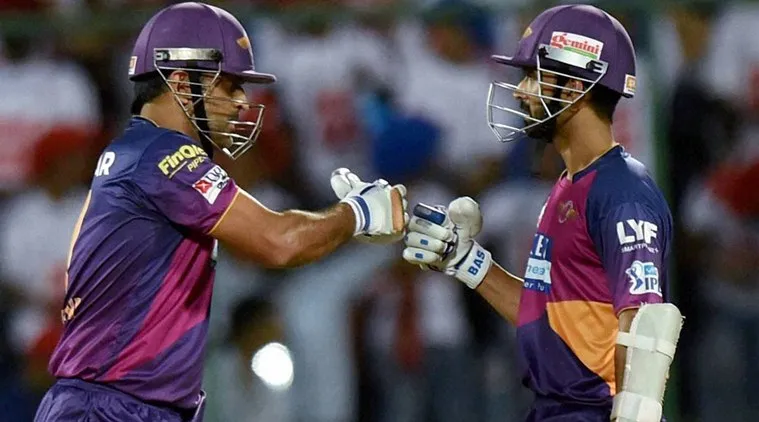
Sunil Gavaskar Criticises Laser Show During T20 World Cup Match at Eden Gardens Stadium, Questions Need for Entertainment During Play
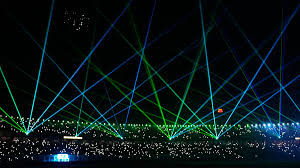
IIE DIGITAL DESK : Indian cricket legend Sunil Gavaskar has expressed strong dissatisfaction over the use of laser light entertainment during a T20 World Cup match held at Eden Gardens Stadium. The veteran cricketer questioned whether such visual entertainment is necessary during high-level international cricket tournaments, arguing that the primary focus should always remain on the game itself. His remarks were later supported by former Indian head coach Ravi Shastri, who also raised concerns regarding player concentration and visual comfort during matches.
The controversy emerged during a crucial T20 World Cup fixture where India was chasing a target of 196 runs against West Indies. During the powerplay phase, India lost two early wickets when opening batter Abhishek Sharma and wicketkeeper batter Ishan Kishan were dismissed. Immediately after the completion of the powerplay, a scheduled laser light show began inside the stadium as part of entertainment programming.
The stadium lighting was reportedly reduced for nearly three minutes while the laser display continued. During this period, players were returning to the field after the drinks break, and some Indian batters, including star batter Suryakumar Yadav, were believed to have experienced difficulty adjusting to the sudden transition between bright and dim lighting conditions.
Speaking during commentary, Sunil Gavaskar said that such entertainment features may be acceptable during domestic leagues like the Indian Premier League but are not suitable during major global tournaments like the T20 World Cup. He emphasised that world championship events should prioritise sporting performance rather than additional show elements. According to him, sudden changes in lighting during playing time can create discomfort for batters and affect their ability to track the ball accurately.
Ravi Shastri also echoed similar views, stating that frequent variation in stadium lighting can disturb player focus. He explained that human vision requires time to adapt when moving from dark to bright environments and vice versa. In fast-paced sports like T20 cricket, even small disruptions in visual perception can impact performance at the highest level.
Cricket fans watching the match had mixed reactions. While some spectators enjoyed the stadium light show as part of modern sporting entertainment, others believed that international cricket matches should maintain traditional sporting seriousness. Social media discussions also reflected this division of opinion, with debates emerging over whether commercial entertainment elements should be limited during live play.
Tournament organisers have not yet issued an official response regarding the criticism. However, sports management experts suggest that balance between entertainment and gameplay must be maintained, especially during global competitions such as the T20 World Cup.
The discussion has once again opened the broader debate about the role of modern stadium entertainment technology in international cricket events and whether such innovations help or hinder the performance of players competing at the highest level of the sport.
You might also like!