
Ramzan Price Watch: Enforcement Branch Cracks Down on Fruit Black Marketing in Hooghly Markets
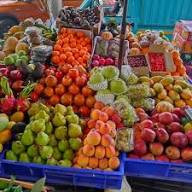
IIE DIGITAL DESK : The holy month of Ramzan witnessing a sharp rise in demand for fruits, the Enforcement Branch has stepped up market surveillance to prevent black marketing and unreasonable price hikes. Acting on administrative instructions, officials conducted raids on Thursday at two of Hooghly district’s largest wholesale hubs, Sheoraphuli Haat and Panchubabu’s Market, to ensure that traders were not exploiting festive demand for excessive profit.
During Ramzan, members of the Muslim community observe fasting from dawn to dusk and traditionally break their fast with fruits and light meals. As a result, seasonal fruits and dry fruits see a substantial surge in consumption. Allegations had recently surfaced that a section of unscrupulous traders was taking advantage of this increased demand by inflating prices. Following media reports highlighting the issue, the state administration responded promptly, directing district authorities to monitor markets closely and curb any attempt at black marketing.
On Thursday, a team led by ACP Chandra Biswas and Inspector Barnali Gangopadhyay from the Enforcement Department visited several fruit stalls across Sheoraphuli’s wholesale market and nearby retail outlets. The officers inspected price lists, interacted with traders and customers, and compared wholesale rates with retail prices to detect irregularities. Sheoraphuli Haat, known for its year round wholesale trade, deals not only in vegetables but also in a wide variety of fruits including apples, pears, bananas, watermelons, tender coconuts, cucumbers and seasonal produce, along with dry fruits such as walnuts, dates and cashew nuts.
According to officials, the inspection did not reveal any major discrepancies between wholesale and retail pricing. While minor variations were observed in certain cases, there was no clear evidence of organised black marketing at the wholesale level. An Enforcement Branch officer stated that overall pricing appeared largely consistent, offering some reassurance to consumers.
Local traders have welcomed the administrative move, describing it as a necessary step to maintain transparency. Samir Das, a fruit seller at Sheoraphuli, explained that excessive rainfall this year had affected fruit cultivation, leading to comparatively lower yields and naturally higher prices. He maintained that wholesale traders were not charging inflated rates and emphasised that Sheoraphuli Haat operates throughout the year with a strong network of regular buyers, discouraging arbitrary price manipulation. However, he acknowledged that prices of apples, coconuts and watermelons were relatively high this season. Kathali bananas too have seen a price spike, while Singapore bananas are being preferred by customers for their comparatively affordable rates. Ripe papaya, cucumbers and grapes are also witnessing steady demand, and among dry fruits, dates and almonds remain popular during the fasting month.
Mohammad Manjur, a leader of the Trinamool affiliated labour organisation, remarked that many families traditionally purchase fruits from Sheoraphuli Haat during Ramzan due to long standing trust between traders and buyers. He pointed out that despite being one of the district’s largest wholesale markets, the absence of middlemen helps maintain price stability.
Alleged that certain retail sellers were charging higher prices than those prevailing in the wholesale market. They expressed cautious satisfaction that the administration had finally intervened, though a few felt that such monitoring should have begun at the very start of Ramzan to prevent initial price escalation.
The Enforcement Branch has indicated that similar inspections will be carried out in other districts to ensure fair pricing and protect consumers from exploitation during the holy month.
You might also like!