RBI Approves Record ₹2.86 Lakh Crore Surplus Transfer to Central Government for FY 2025–26
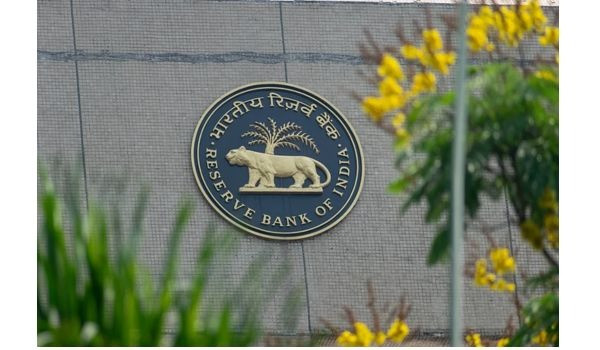
IIE DIGITAL DESK : The Reserve Bank of India (RBI) has approved a record surplus transfer of ₹2.86 lakh crore to the Central Government for the financial year 2025–26, marking one of the highest dividend payouts in the central bank’s history. The decision is expected to provide significant fiscal support to the government’s budgetary planning and economic management.
The surplus transfer is determined after the RBI’s annual financial assessment, which takes into account earnings from foreign exchange transactions, interest income, and other operational gains, minus provisions and contingency buffers maintained for financial stability.
This record payout is likely to strengthen the Centre’s fiscal position by improving liquidity and providing additional room for development expenditure, welfare schemes, and infrastructure investment. Economists suggest that such a large transfer can help reduce the government’s borrowing requirements in the domestic market.
The decision comes at a time when the government is focusing on sustaining economic growth while managing inflationary pressures and maintaining fiscal discipline. The RBI’s surplus transfer is seen as an important contributor to bridging the fiscal gap in the upcoming budget cycle.
Experts note that higher surplus transfers in recent years reflect stronger balance sheet performance by the central bank, driven by robust foreign exchange reserves management and higher returns from global assets.
The announcement has drawn attention from financial analysts, who believe it could positively impact market sentiment and support macroeconomic stability in the short term. However, they also caution that the government must ensure prudent utilization of the funds to maintain long-term fiscal health.
The record surplus transfer underscores the strong financial position of the RBI and provides a substantial boost to the government’s fiscal resources for FY 2025–26.
You might also like!