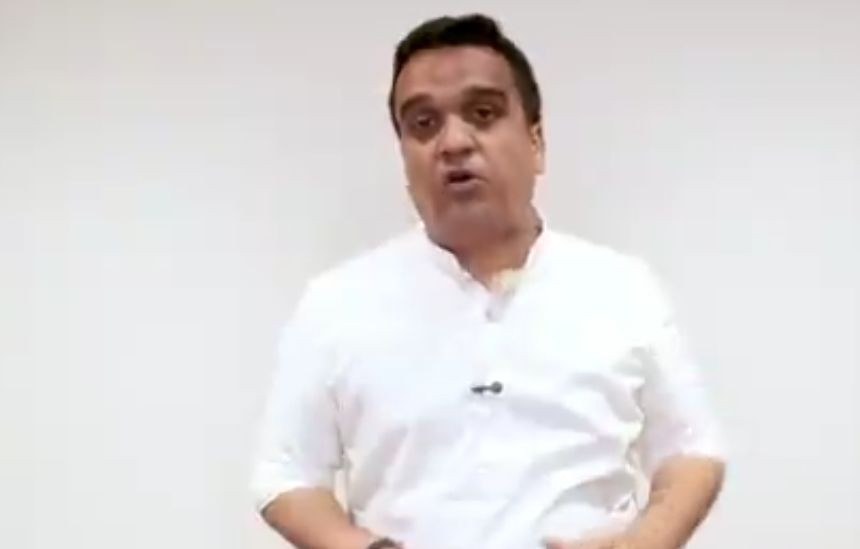
Britain’s Next Political Chapter: Andy Burnham Could Replace Keir Starmer as PRIME MINISTER
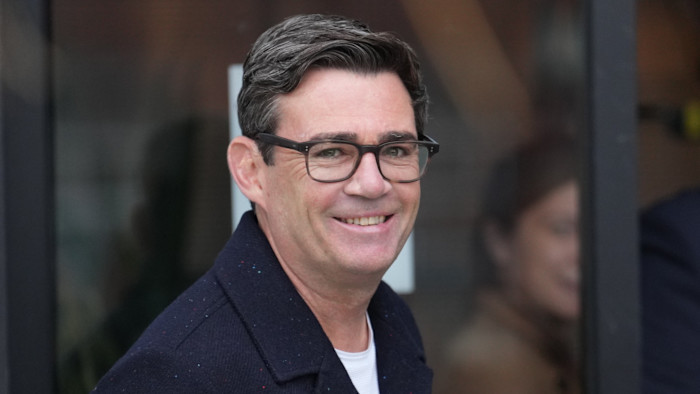
IIE DIGITAL: Andy Burnham officially steps into the role of Britain’s seventh prime minister in ten years on Monday, promising a major shift in government priorities to address issues directly affecting people’s daily lives, including the rising cost of living and struggling public services.
The leadership change comes after Keir Starmer delivers
his farewell address outside 10 Downing Street and formally submits his
resignation to King Charles. Following this, the monarch will invite Burnham to
form the new government and take charge as prime minister.
The 56-year-old Labour leader, who gained popularity as
the mayor of Greater Manchester and earned the title “King of the North”,
now faces the difficult task of leading a country dealing with economic
challenges and public dissatisfaction.
After announcing his cabinet, a decision already creating discussions within the Labour Party, Burnham will have to tackle a wide range of issues including weak economic growth, struggling utility companies and concerns over public services.
Burnham Promises a New Political Direction
In his first address as prime minister, Burnham is
expected to outline his vision for a more stable and responsible political
system. According to his office, he will acknowledge the challenges facing
Britain and argue that long-term progress requires political stability and
effective governance.
Calling his election as Labour leader a historic turning
point, Burnham described it as the “most significant change moment in
politics for 40 years.”
He has promised to transform the political system,
improve living standards and make Britain more affordable for ordinary
citizens. His message focuses on creating a country where people from all
communities can experience better opportunities and improved quality of life.
Burnham’s supporters believe he has the ability to
challenge the growing influence of Nigel Farage’s Reform UK, which has gained
support among voters frustrated with traditional politics. Many Labour
lawmakers view Burnham as a stronger figure to counter that challenge compared
to the unpopular Starmer administration.
Cabinet Formation and Early
Challenges
One of Burnham’s first major decisions will be selecting
his cabinet, especially the appointment of the finance minister. Political
experts say the relationship between the prime minister and finance chief is
crucial, as disagreements in this area have contributed to the collapse of
previous governments.
Energy security and net-zero minister Ed Miliband was
considered an early contender for the role, though reports suggest Home
Secretary Shabana Mahmood has emerged as a strong candidate.
However, Burnham has urged party members to ignore speculation, stating that he has not finalised his government team yet.
Focus on Economy, Services and Public Control
Burnham’s initial policy decisions are expected to
receive close attention, particularly on taxation, government spending, energy
policies and public services.
One of the early controversies involved plans requiring
workers to carry digital identity documents, a measure introduced to tackle
illegal migration. The proposal was later abandoned after facing criticism from
lawmakers across political lines.
Burnham has also indicated that he wants stronger public
oversight of struggling utility companies. Britain’s largest water provider,
Thames Water, has faced severe criticism over heavy debt and repeated sewage
leaks.
Deputy Labour leader Lucy Powell, a close ally of
Burnham, suggested that Thames Water could be placed under “special measures”,
allowing greater government involvement in its operations.
She said Burnham’s goal is to redirect government focus
and resources towards reducing living costs and fundamentally changing the way
Britain’s economy operates.
As he begins his tenure, Burnham faces the challenge of
turning his promises of reform and renewal into concrete action while
attempting to restore public confidence in British politics.
You might also like!