West Bengal Plans to Expand Gangasagar Mela; Chief Minister Writes to Centre Again Seeking National Fair Status
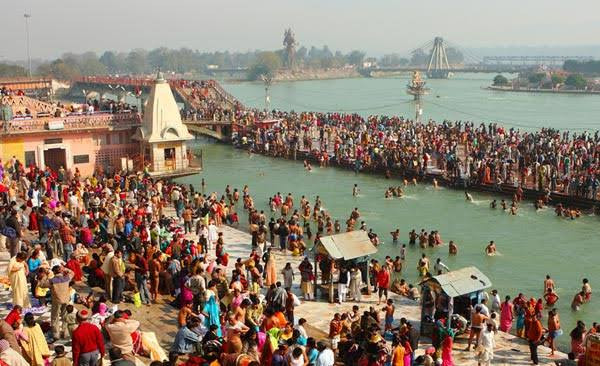
IIE DIGITAL DESK ; Kolkata, October 29: The West Bengal government is planning to organise the traditional Gangasagar Mela on a significantly larger scale this year, keeping in mind the growing number of pilgrims and the religious event's increasing popularity across the country and beyond. As part of the preparations, the state government has decided to expand the fairground by approximately six lakh square feet, increasing its total area from around 12 lakh square feet to 18 lakh square feet. The move is aimed at improving crowd management, strengthening safety arrangements and providing better facilities for pilgrims attending the annual religious gathering.
According to sources at Nabanna, the expansion has been planned to accommodate the growing influx of devotees and ensure a more comfortable pilgrimage experience. With large numbers of pilgrims expected to visit Gangasagar, the enlarged fairground is intended to ease congestion and create additional space for movement, temporary accommodation and other essential services. The state administration is also working to strengthen the supporting infrastructure so that visitors can travel, stay and participate in the religious gathering with greater convenience.
The expanded arrangements, additional transit camps, bus stands, helipads and pilgrim accommodation facilities are being planned. These facilities are expected to improve transportation management and help authorities handle the movement of devotees more efficiently during the busy pilgrimage period. Better accommodation and transit arrangements are also expected to reduce pressure on existing facilities, particularly during peak periods when the number of visitors rises sharply.
Alongside the expansion of the fairground, the state government is pushing ahead with plans to improve connectivity to Gangasagar. Administrative progress has reportedly been made on the proposed bridge over the Muriganga River, a long-awaited infrastructure project that could significantly improve access to the island. The proposed permanent bridge is expected to reduce dependence on ferry services and make travel more convenient for pilgrims and tourists, subject to the project's implementation.
The West Bengal government has renewed its demand for the Gangasagar Mela to receive formal recognition as a ‘National Fair’. The state has been pressing the Centre to grant the annual religious gathering national status, arguing that its scale, cultural importance and large pilgrim turnout justify greater recognition and support.
Chief Minister Suvendu Adhikari has reportedly contacted Union Railway Minister Ashwini Vaishnaw, urging improved rail and road connectivity to Gangasagar. Better transport links are considered essential to managing the increasing number of visitors and improving access to one of eastern India's prominent pilgrimage destinations. The state administration is also maintaining coordination with the Central government on the demand for national recognition.
State Public Works Minister Ajay Poddar said that several rounds of discussions with the Central government had already taken place regarding the demand for national status. Expressing optimism about the outcome, he said the state government was hopeful that Gangasagar Mela would receive the recognition it had been seeking this year.
The demand for national status is significant because the Gangasagar Mela attracts pilgrims from different parts of India, particularly during the annual Makar Sankranti pilgrimage. Devotees travel to the confluence of the Ganga and the Bay of Bengal to take a holy dip and offer prayers. The gathering is regarded as one of the major religious events in the region and places considerable demands on transport, accommodation, public health and crowd-control arrangements.
The state government is seeking to position Gangasagar not only as a major religious destination but also as a prominent tourism centre with improved infrastructure and modern facilities. The proposed bridge, expanded fairground and additional pilgrim amenities form part of the broader effort to improve accessibility and strengthen the destination's appeal.
With the next edition of the fair approaching, the administration's immediate focus is on preparing the expanded grounds, improving transport arrangements and ensuring that pilgrims can reach the destination safely. The proposed infrastructure improvements are also expected to provide longer-term benefits to residents and visitors by making access to the island easier.
The expansion of the Gangasagar Mela and the renewed push for national recognition underline the West Bengal government's ambition to give the religious gathering a larger national and international profile. While the state continues discussions with the Centre, the proposed infrastructure upgrades are expected to play an important role in managing the growing crowds and improving the overall pilgrimage experience.
You might also like!