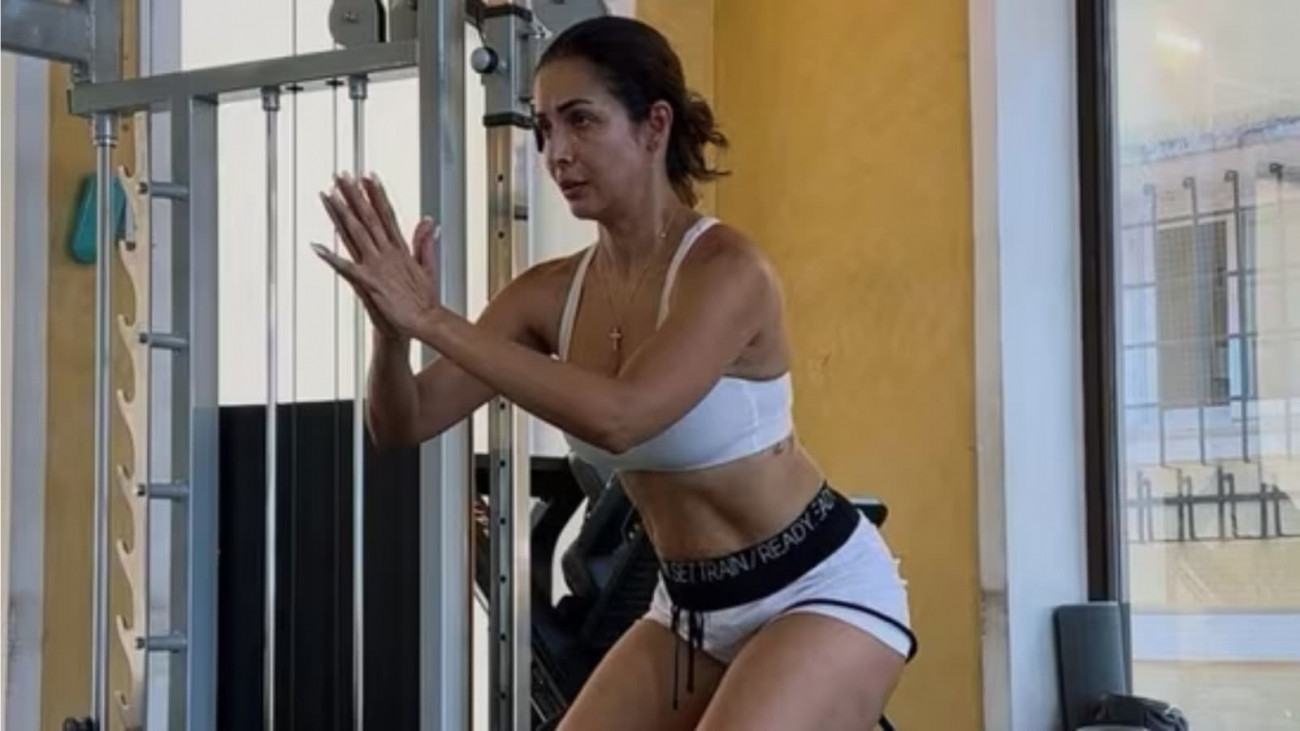
Motherhood at 66? Viral Neena Gupta Video Sparks Debate on Late Pregnancy and IVF Possibilities

IIE DIGITAL DESK : The viral video featuring veteran actress Neena Gupta has ignited widespread discussions on social media about the possibility of pregnancy at an advanced age. Speculation began circulating online suggesting that the 66-year-old actress might be expecting a child. However, the actress herself quickly dismissed the rumors, clarifying that the speculation was unfounded. Despite the clarification, the incident has reignited a broader conversation about whether women can realistically conceive and give birth after the age of 50 and what modern medical science says about late motherhood.
For decades, society has largely believed that the most suitable age for motherhood is in a woman’s twenties. However, changing lifestyles, education, career priorities, late marriages and personal choices have shifted that perspective significantly. Today many women consider motherhood in their thirties or even later, and advances in reproductive medicine have made it increasingly possible to explore those options. Still, biology continues to play a critical role in determining fertility.
Medical experts explain that women are born with a finite number of eggs. At birth, a female infant typically has between one and two million eggs in her ovaries. As she grows older, this number gradually declines. By the time a girl reaches puberty, the number reduces to roughly three to four hundred thousand. With every menstrual cycle, some eggs are lost through ovulation and natural degeneration. As a result, both the number and quality of eggs decrease steadily with age. Fertility begins to decline more noticeably after the age of 30, and the decline accelerates significantly after 35. Once a woman crosses 40, natural conception often becomes far more difficult because the remaining eggs may not be viable enough for successful fertilization.
Another major factor influencing fertility is menopause. Most women experience menopause between the ages of 45 and 55, marking the end of natural reproductive capability. After menopause, the ovaries stop releasing eggs, which makes natural conception nearly impossible. Yet modern reproductive medicine has introduced technologies that can sometimes overcome these biological limitations.
One of the most widely used methods for late pregnancies is In Vitro Fertilization, commonly known as IVF or the “test-tube baby” technique. In this process, fertilization occurs outside the human body in a laboratory, where eggs and sperm are combined to create embryos. After a few days of development under observation, the embryo is transferred into the uterus, increasing the chances of pregnancy. In many cases involving older women, donor eggs from younger women are used because the recipient may no longer produce viable eggs. The embryo created from the donor egg and the partner’s sperm is then implanted in the uterus, allowing the woman to carry the pregnancy and give birth even at an advanced age.
There have been several remarkable cases demonstrating how assisted reproductive technologies have made late motherhood possible. In 2008, a woman named Rajo Devi Lohan from Haryana reportedly gave birth to a daughter at the age of 69 through IVF treatment. Similarly, Daljinder Kaur from Punjab made headlines in 2016 after delivering a baby boy at the age of 72. Another widely discussed case involved Omkari Panwar from Uttar Pradesh, who gave birth to twins around the age of 70 following fertility treatment. Such cases remain rare but illustrate the possibilities created by medical innovation.
Late motherhood is also becoming more visible among public figures and celebrities. Several women in the entertainment industry have chosen to have children after the age of forty, reflecting broader changes in societal attitudes toward parenthood. Actress Katrina Kaif reportedly experienced motherhood around the age of forty, while comedian Bharti Singh and filmmaker-actress Nandita Das also embraced motherhood later in life. Bengali actress Koel Mallick welcomed her second child at the age of forty-two, highlighting how evolving medical options and personal choices are reshaping the timeline of parenthood.
Despite these possibilities, doctors caution that pregnancy at an advanced age is not without risks. Older mothers may face higher chances of conditions such as high blood pressure, diabetes and thyroid disorders during pregnancy. There is also a greater likelihood of miscarriage, premature delivery and cesarean birth. Additionally, the probability of genetic abnormalities in the fetus, including conditions such as Down syndrome, increases with maternal age.
Because of these risks, physicians recommend thorough medical evaluations before attempting pregnancy later in life. Important tests often include thalassemia screening, diabetes and thyroid checks, rubella testing and genetic screening. Modern diagnostic methods such as Non‑Invasive Prenatal Testing can also help detect certain genetic abnormalities in the fetus at an early stage of pregnancy.
Doctors generally agree that the safest age for pregnancy remains between 20 and 30, while pregnancies after 35 are often classified as advanced maternal age and require close medical monitoring. Although modern fertility treatments have extended the boundaries of motherhood, experts emphasize that careful planning, accurate information and professional medical guidance remain essential for safe pregnancies.
The discussion sparked by the viral video involving Neena Gupta ultimately highlights a broader shift in society. While the age of motherhood is gradually evolving with the help of modern medicine, responsible decision-making and proper healthcare continue to be the most important factors in ensuring safe and healthy pregnancies at any age.
You might also like!