Step Into History at This 400-Year-Old Wooden Palace in South India
IIE DIGITAL:When travelling through South India, popular attractions such as beaches, backwaters, rivers and temples naturally find a place on every tourist’s itinerary. Iconic landmarks such as the Rameswaram Bridge stretching across the sea and the coastal beauty of Kanyakumari are also must-visits. But there is another historic gem that deserves a spot on the list: the magnificent Padmanabhapuram Palace, a remarkable architectural marvel in Tamil Nadu that is more than 400 years old.
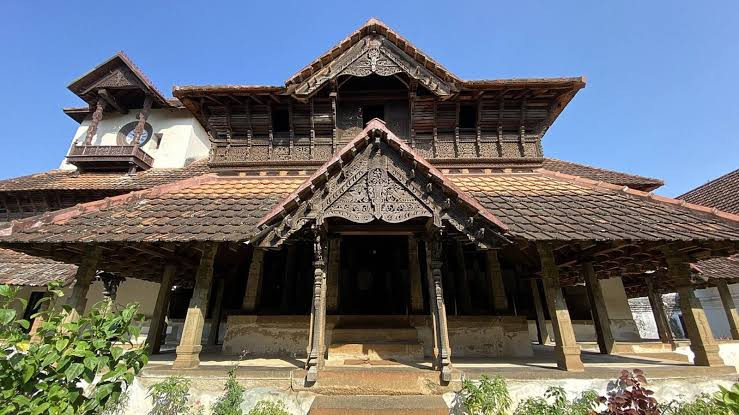
Although Padmanabhapuram Palace is located in Kanyakumari, it is currently managed by the Kerala government. Despite its historical and architectural importance, many tourists visiting South India remain unaware of this extraordinary palace. What makes it truly unique is that the entire structure is built primarily of wood. Intricately carved wooden murals adorn its walls, while the ceilings feature elaborate woodwork. The palace is also believed to have hidden underground passageways, adding an element of mystery to its centuries-old history.
The story of the palace takes visitors back to 1601, when Padmanabhapuram served as the administrative centre of the Venad kingdom. The complex was later expanded and enriched during the reign of Maharaja Marthanda Varma. In 1750, Marthanda Varma dedicated his entire kingdom to Lord Padmanabha, after which the capital was renamed Padmanabhapuram, meaning the ‘abode of Lord Padmanabha’. Lord Vishnu is worshipped as Padmanabha in southern India.
The palace remained the cultural and administrative heart of the Travancore kingdom until the capital was shifted to Thiruvananthapuram in 1795. Today, the historic complex has been preserved as a museum, allowing visitors to experience its remarkable architecture and royal legacy. Unlike palaces known for marble and glass, Padmanabhapuram Palace draws its grandeur from its exquisite woodwork. Almost every door, window and wall showcases intricate craftsmanship. Experts consider it one of the largest wooden palace complexes in India. Its thoughtful design, featuring open courtyards and long corridors that allow natural airflow, keeps the interiors surprisingly cool even during hot weather.
One of the palace’s most fascinating features is its glossy black flooring, which has retained its mirror-like shine even after centuries. Historians believe the flooring may have been created using a mixture of charcoal, lime, burnt coconut shells and natural plant extracts, although the exact technique remains uncertain.
Visitors should not miss the Thai Kottaram, or Queen’s Palace, which is considered the oldest section of the complex and is associated with stories of a hidden underground passage. The Royal Council Chamber is another highlight, with specially designed wooden windows that help prevent the heat of the sun from entering. The Valiya Oottupura, or Great Dining Hall, reflects the grandeur and hospitality of the royal household and is believed to have been large enough to accommodate thousands of guests. The centuries-old Clock Tower, located near the entrance, is another attraction that continues to draw visitors.
A visit to Padmanabhapuram Palace can also be combined with trips to nearby attractions such as Udayagiri Fort, the Mathur Aqueduct, Suchindram Thanumalayan Temple and Kanyakumari. For travellers exploring the southern tip of India, this centuries-old wooden palace offers a fascinating journey through history, architecture and royal heritage.
You might also like!