Beyond the chariots and celebrations, what goes into Lord Jagannath's sacred bhog?
IIE DIGITAL: As Rath Yatra approaches, devotees
across Bengal prepare to celebrate one of the region's most cherished religious
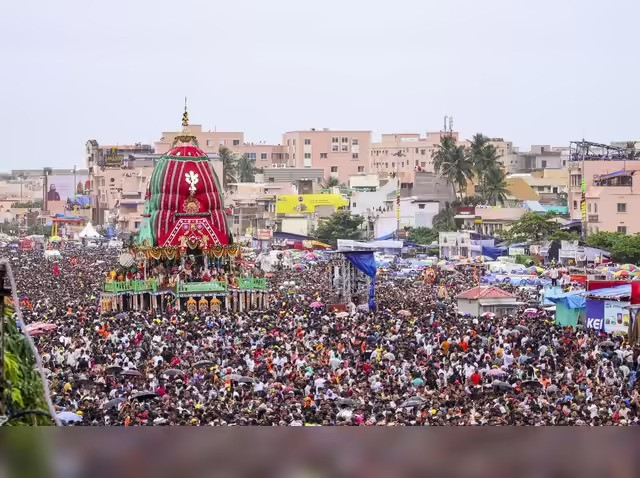
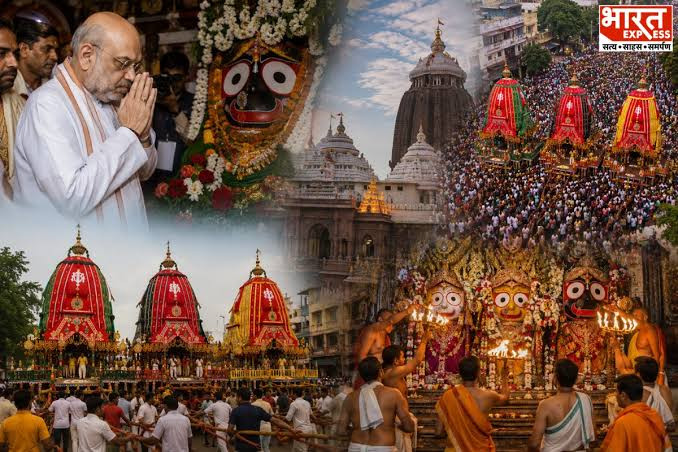
festivals with deep faith and enthusiasm. The festivities begin with the
ceremonial pulling of Lord Jagannath's grand chariot, a tradition that has been
an integral part of Bengal's cultural and spiritual heritage for centuries. The
bond between Bengalis and Rath Yatra grew even stronger during the time of Sri
Chaitanya and continues to thrive to this day.
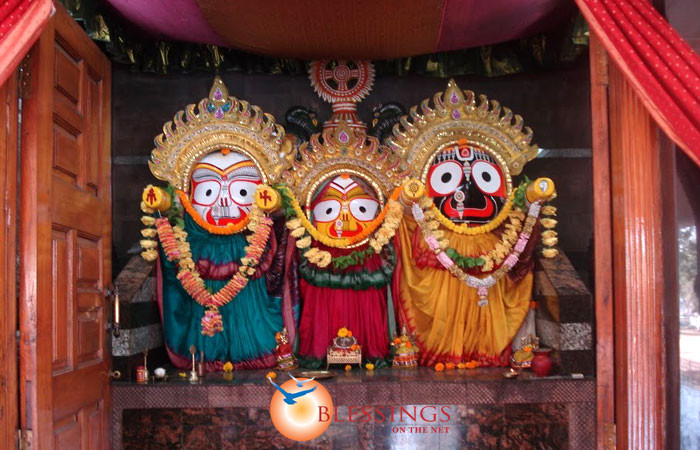
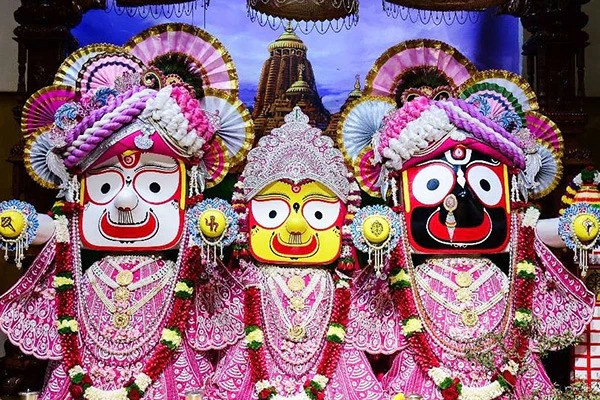
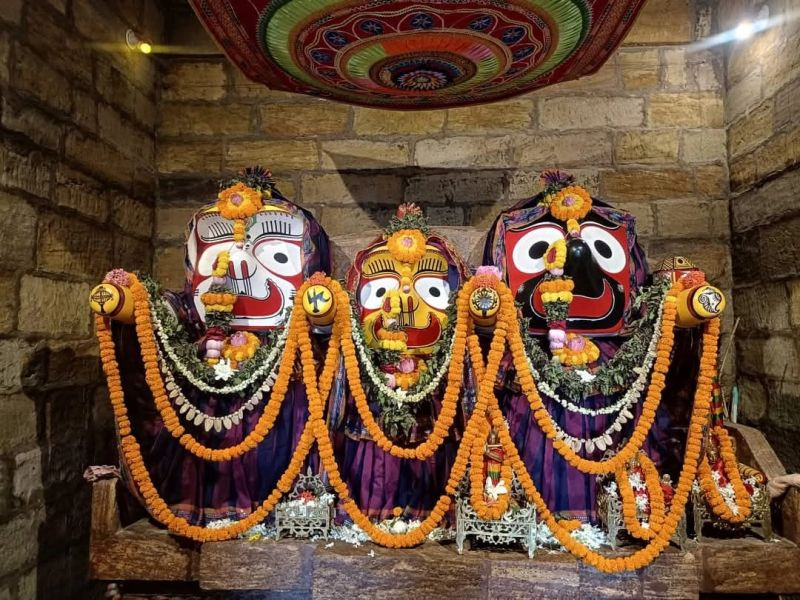
According to tradition, Lord Jagannath, his elder brother
Balabhadra, and sister Subhadra embark on their annual journey to their aunt's
home on the auspicious day of Ashadha Shukla Dwitiya. After spending seven days
there, the divine siblings return to their abode, a homecoming known as the
Gundicha Yatra. While this sacred journey belongs to the deities, it is equally
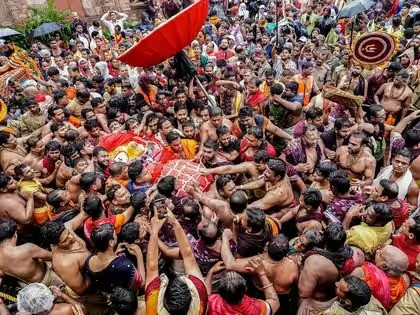
a pilgrimage of devotion for countless devotees who express their faith by pulling
the chariot with reverence.
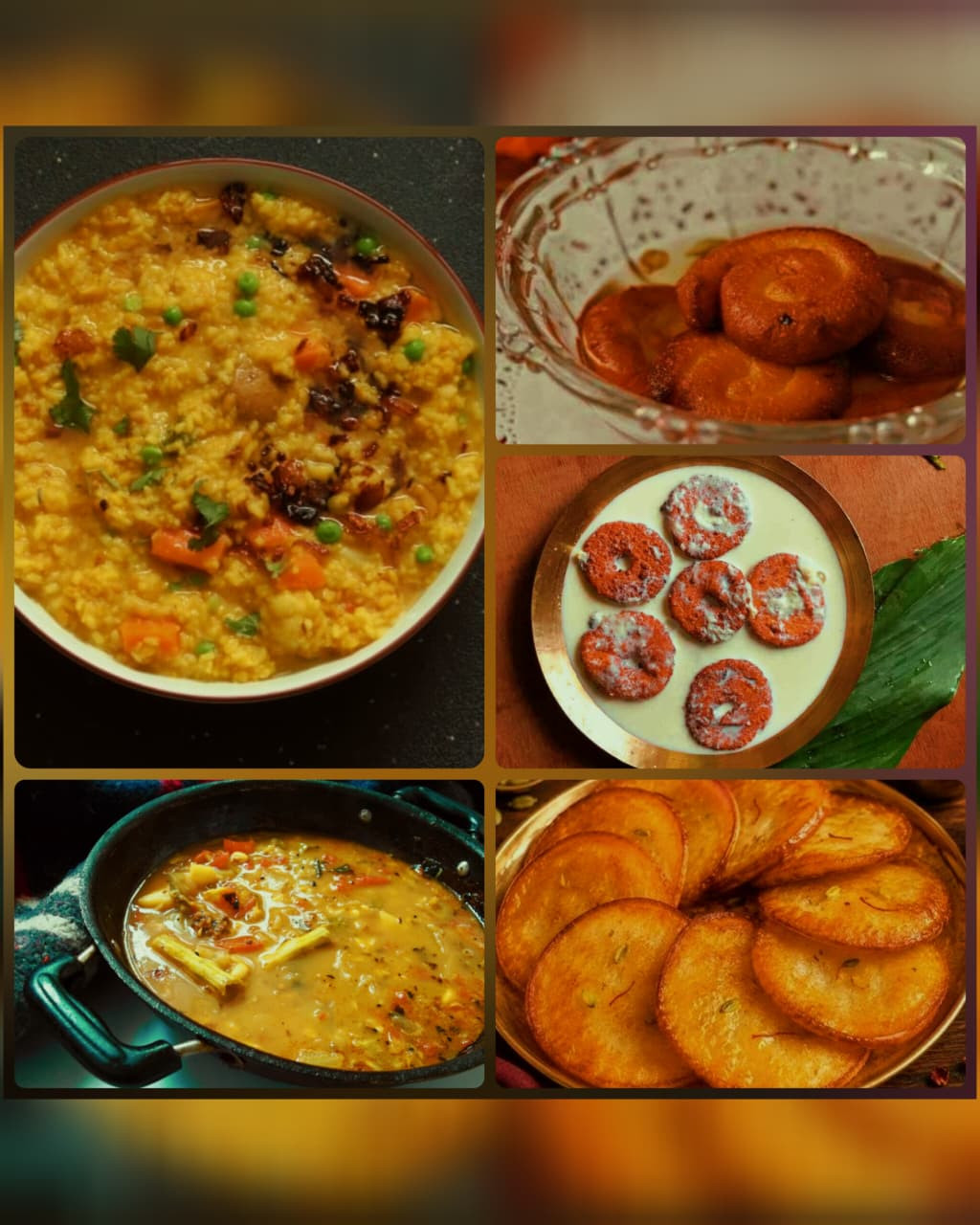
Whether at the Jagannath Temple in Puri or during Rath Yatra celebrations at ISKCON, Mahesh and other temples, one tradition remains unchanged: the offering of the sacred Chhappan Bhog, comprising 56 delicacies, to Lord Jagannath. The elaborate spread has long fascinated devotees and food lovers alike. Here is a look at some of the traditional dishes that make up this revered offering
· Khichuri: Among the many sacred offerings prepared for Lord Jagannath, Khichuri is one of the most iconic and spiritually significant dishes. Though made with simple ingredients such as rice lentils and pure ghee, it symbolises purity devotion and abundance. The version served at the Jagannath Temple in Puri is prepared using traditional methods that have been followed for centuries with the food cooked in earthen pots over wood fired stoves. This unique cooking process gives the Khichuri its distinctive aroma and flavour. During Rath Yatra devotees from across the country patiently wait for an opportunity to receive even a small portion of this sacred prasad believing it to be a divine blessing. More than just a comforting meal Khichuri represents the temple's philosophy that the simplest food prepared with devotion is the most sacred.
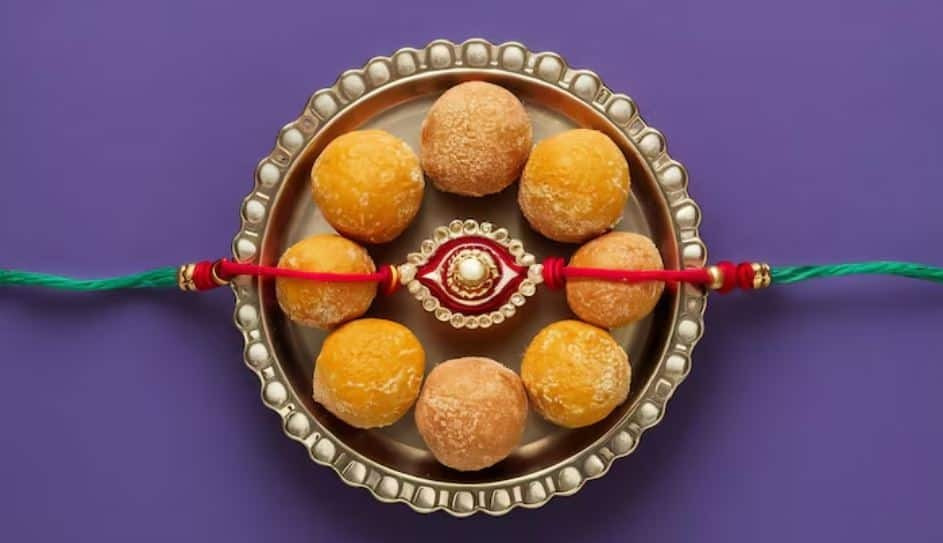
· Jhili: One of the most loved sweet offerings in the Chhappan Bhog Jhili is a traditional Odia delicacy that resembles a soft fluffy pancake. Temple traditions suggest that Lord Jagannath has a special fondness for sweets which is why desserts make up a large part of the sacred offering. Jhili is prepared with refined flour grated coconut jaggery and finely chopped pistachios creating a dessert that is both light and rich in flavour. The jaggery lends a deep caramel sweetness while the coconut adds texture and aroma. Soft on the inside with a lightly crisp exterior Jhili has remained an integral part of Rath Yatra celebrations for generations. Its delicate taste and cultural significance make it one of the most cherished items offered to the deity.
· Santula: Unlike many festive dishes that are rich and heavily spiced Santula celebrates the natural flavours of fresh vegetables through a light and nourishing preparation. This traditional Odia curry is made using potatoes brinjal raw papaya drumsticks tomatoes and other seasonal vegetables that are gently cooked with very little oil. A fragrant tempering of panch phoron ghee and fresh green chillies enhances the dish without overpowering its simplicity. Santula is served as a separate course in the Chhappan Bhog rather than as an accompaniment to Khichuri highlighting its importance in the temple menu. The dish reflects the balance and purity that define Jagannath temple cuisine proving that even the simplest recipes can hold deep spiritual value.
· Rasabali: One of Odisha's most celebrated desserts Rasabali occupies a place of honour in Lord Jagannath's sacred bhog. The delicacy begins with fresh chhena which is carefully shaped into flattened discs and fried until they develop a rich golden colour. These are then immersed in thickened saffron infused milk where they slowly absorb the creamy sweetness and become exceptionally soft. The dessert is finally garnished with pistachios cashews and raisins adding both flavour and texture. Rich creamy and delicately aromatic Rasabali is considered one of the finest examples of Odisha's traditional temple cuisine. Its luxurious taste and association with Lord Jagannath have made it a favourite among devotees who eagerly await the opportunity to savour this sacred prasad during Rath Yatra.
· Malpua: No Rath Yatra feast is considered complete without Malpua one
of the most beloved sweets offered to Lord Jagannath during the morning
rituals. Prepared from a rich batter of khoya milk refined flour and finely
ground pistachios the sweet is fried until golden brown creating a crisp outer
layer while remaining soft and tender inside. In many homes across Odisha
families prepare Malpua as a mark of devotion inspired by the offerings made at
the Jagannath Temple. Its irresistible aroma rich flavour and festive
significance have made it one of the standout dishes of the Chhappan Bhog. More
than just a traditional dessert Malpua represents celebration gratitude and the
timeless bond between devotees and Lord Jagannath during the sacred festival of
Rath Yatra.
You might also like!