No Pillion Riders, Night Curbs on Motorbikes Ahead of April 23 Polls as Election Commission Tightens Grip in Bengal
IIE DIGITAL DESK : Kolkata, April 21: The first phase of the West Bengal Assembly Election scheduled for April 23, the Election Commission has intensified its efforts to ensure a free, fair and peaceful polling process by imposing strict restrictions on motorbike movement across the state. In a move that has already sparked political debate and public discussion, the Commission has announced sweeping curbs on the use of motorcycles beginning two days before voting in sensitive areas.
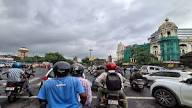
The official notification issued by the Commission, motorbike rallies and motorcycle processions will be completely prohibited in identified sensitive zones starting two days prior to polling. The restrictions are aimed at preventing intimidation, unlawful gatherings and potential disturbances often associated with so-called “bike brigades” during election season. Authorities believe that such groups can influence voters and disrupt the law-and-order situation, particularly in closely contested constituencies.
The Commission has imposed time-based restrictions on the use of motorcycles. From 6 pm to 6 am each day during the restricted period, motorbike movement will be barred in sensitive areas. Officials have clarified that the curbs are preventive in nature and are intended to enhance voter security and reduce the risk of violence or coercion in the run-up to polling day.
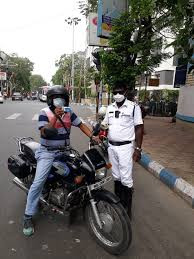
Perhaps the most debated aspect of the order is the prohibition on carrying pillion riders. From 6 am to 6 pm during the two days leading up to the election, no pillion rider will be allowed on motorcycles in the notified areas. The Commission has stated that this measure is designed to prevent organized mobilization of individuals that could potentially disrupt peace or influence the electoral process.
The restrictions are not absolute. The notification makes provisions for essential and emergency situations. Exemptions have been granted for cases involving medical emergencies, transportation of school students, and genuine family necessities. Individuals who need to use motorcycles with pillion riders for urgent reasons outside the exempted categories must obtain written permission from the concerned local police station.
The Election Commission has directed district administrations and police authorities to strictly enforce the new regulations. Law enforcement agencies have been instructed to monitor compliance closely and take appropriate action in cases of violation. The Commission has emphasized that these measures are temporary and limited to the election period, underscoring that the primary objective is to safeguard democratic processes.
The decision has not been without criticism. Some political observers and members of the public have questioned whether the restrictions are too stringent, with a few even remarking sarcastically about the possibility of future curbs on other forms of transport. Nevertheless, election officials maintain that extraordinary steps are sometimes necessary to maintain peace during a politically charged atmosphere.
West Bengal has a history of intense electoral contests, and authorities are keen to prevent any untoward incidents. With heightened security arrangements already in place across several districts, the new motorbike restrictions form part of a broader strategy to ensure that voters can cast their ballots without fear or interference.
Polling day approaches, all eyes will be on how effectively these measures are implemented and whether they succeed in maintaining calm across the state. For now, the message from the Election Commission is clear: strict vigilance and uncompromising enforcement will define the final days leading up to the first phase of voting.
You might also like!