“Rehabilitation Needed, But Eviction Is Necessary”: Tathagata Roy Speaks Candidly on Hawker Issue
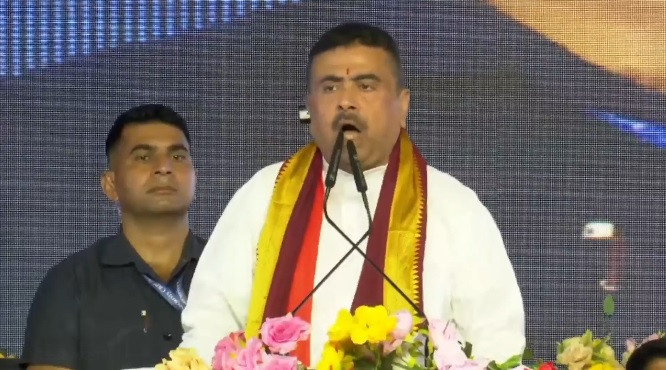
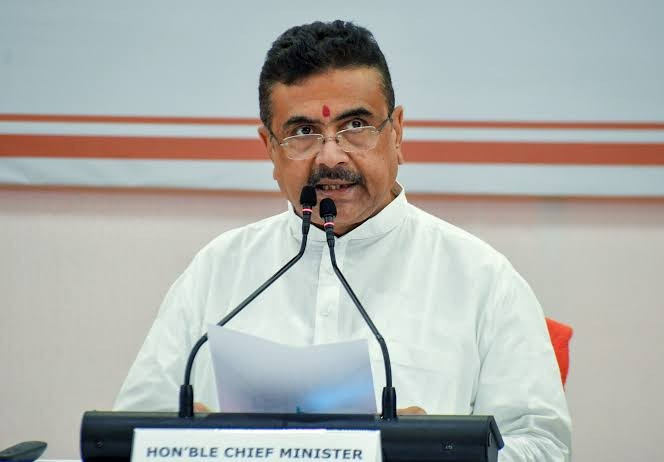
IIE DIGITAL DESK ; Kolkata, June 8: West Bengal Governor Tathagata Roy has made a strong statement regarding the ongoing hawker eviction debate in Kolkata, emphasizing that while rehabilitation is important, removal of encroachments from roads and pavements is also necessary.
In a post on X (formerly Twitter), Tathagata Roy wrote that clearing footpaths and roads for smooth public movement is essential, arguing that proper urban planning is required to attract investment. He stated that pavements such as those in Chowringhee should be free for pedestrians, as no investor would be interested in a city where footpaths are blocked and unmanaged.
The same time, he stressed that rehabilitation of hawkers is also necessary, acknowledging the livelihood concerns of street vendors. According to him, the issue is complex, as both hawkers’ right to livelihood and pedestrians’ right to free movement must be considered. He questioned whether hawkers should be allowed to occupy public walking spaces, comparing it to the idea of someone entering private kitchens for survival.
Tathagata Roy also reflected on the historical evolution of hawker settlements in Kolkata. He claimed that the practice of hawkers occupying pavements began around 1972 and mentioned political developments and administrative decisions over the years that contributed to the expansion of street vending in central Kolkata areas like Chowringhee. He suggested that political and economic interests played a role in the growth of such encroachments over time.
Stated that rehabilitation alone is not a complete solution. According to him, past experiences have shown that even after relocation efforts, many hawkers eventually return to their original roadside spots, making enforcement and long-term planning a persistent challenge for authorities.
Political weight to the ongoing debate over hawker evictions and urban space management in Kolkata, where authorities continue to face pressure from both civic bodies and street vendors over the issue of rehabilitation versus enforcement.
You might also like!