CPIM Bookstall Controversy at Durga Puja Pandals: Calcutta High Court Seeks Reports from Police and Administration
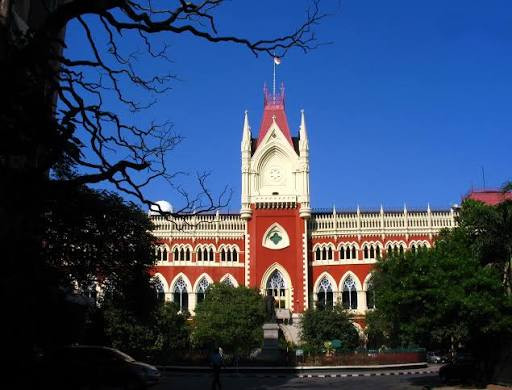
Kolkata, October 14: The Calcutta High Court has taken a firm stance in a case concerning the alleged denial of permission to the Communist Party of India (Marxist), or CPIM, to organise temporary bookstalls and book fairs near Durga Puja pandals in Bongaon and other areas of North 24 Parganas district. During Wednesday’s hearing, a bench headed by Justice Sougata Bhattacharyya sought detailed reports from the police stations concerned and the administration regarding the reasons for refusing permission to the party.
The hearing, Justice Bhattacharyya expressed strong displeasure over the issue and questioned the grounds on which the administration could object to the setting up of bookstalls. Emphasising the nature of the proposed activity, the judge reportedly remarked, “They are not trying to set up a lottery shop there; they want to open a bookstall! What is the problem with that?” The court also underscored the importance of protecting the right of opposition political parties to express their views in a democratic society.
Representing the Left camp, the petitioners alleged that the CPM had regularly operated bookstalls at the locations in question in previous years. However, they claimed that the police and administration had deliberately withheld permission this year. The petitioners further alleged that, while their applications were rejected, several other organisations, including the Hindu Jagran Manch, had been allowed to set up stalls in the same areas.
The state government, however, raised a procedural objection during Wednesday’s hearing. Advocate General Surendranath Mitra, appearing for the state, argued that the matter did not primarily fall within the scope of police inaction or excessive police action. On that basis, he questioned whether the case should be heard by Justice Bhattacharyya’s single-judge bench and requested that it be transferred to another appropriate bench.
The Advocate General told the court that the CPM had applied for permission to the concerned Sub-Divisional Officer (SDO). However, according to the state’s submission, the land on which the proposed bookstalls were to be set up belonged to the Public Works Department (PWD). He argued that, under the applicable procedure, the party should have obtained permission from the department responsible for the land. The state cited this issue while seeking the transfer of the case to another bench.
Justice Bhattacharyya said he would consider whether to continue hearing the matter himself or refer it to another bench. Before taking that decision, however, the court directed the police and the administration to submit comprehensive reports on the issue without delay.
A key concern for the court is to establish which organisations were granted permission to set up bookstalls in the areas concerned and whether the necessary clearance had been obtained from the PWD, given that the land reportedly falls under its jurisdiction. The reports are expected to help the court examine the circumstances surrounding the denial of permission to the CPM and the allegations of differential treatment involving other organisations.
The controversy had already drawn the High Court’s attention on Tuesday, when it adopted a firm approach in the related case concerning bookstalls in Naihati and Bongaon. The state government was asked to respond within 24 hours, adding to the pressure on the authorities to explain their position.
The issue has also triggered a political debate in West Bengal. Leader of the Opposition Suvendu Adhikari has taken a strong position on the controversy. He has stated that the Left parties should not be granted permission to set up stalls unless they explicitly use the term ‘Durga Puja’ rather than ‘Sharadotsav’ or other expressions on their stalls or banners.
The dispute has therefore moved beyond the question of permission for temporary bookstalls, with the role of the administration, the ownership of the land and the freedom of political organisations to express their views emerging as central issues. The Calcutta High Court’s next steps will depend on the reports submitted by the police and the administration, as well as its consideration of the state government’s request to transfer the case to another bench.
You might also like!