Samik Bhattacharya: ‘Blame EVMs and SIR Whenever You Lose!’ BJP Leader Advises Mamata, Rahul and Other Opposition Leaders to Introspect
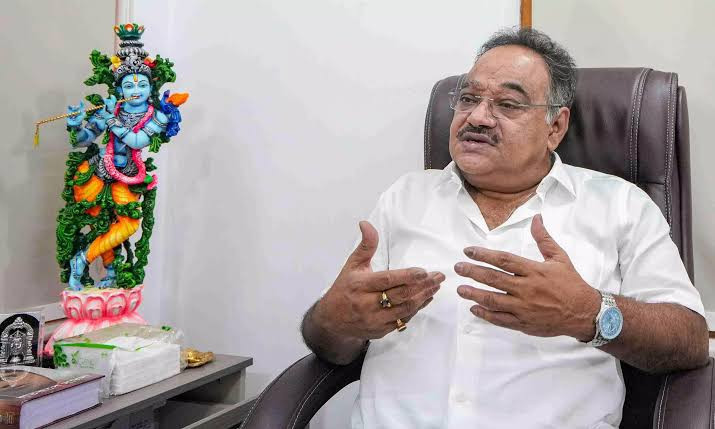
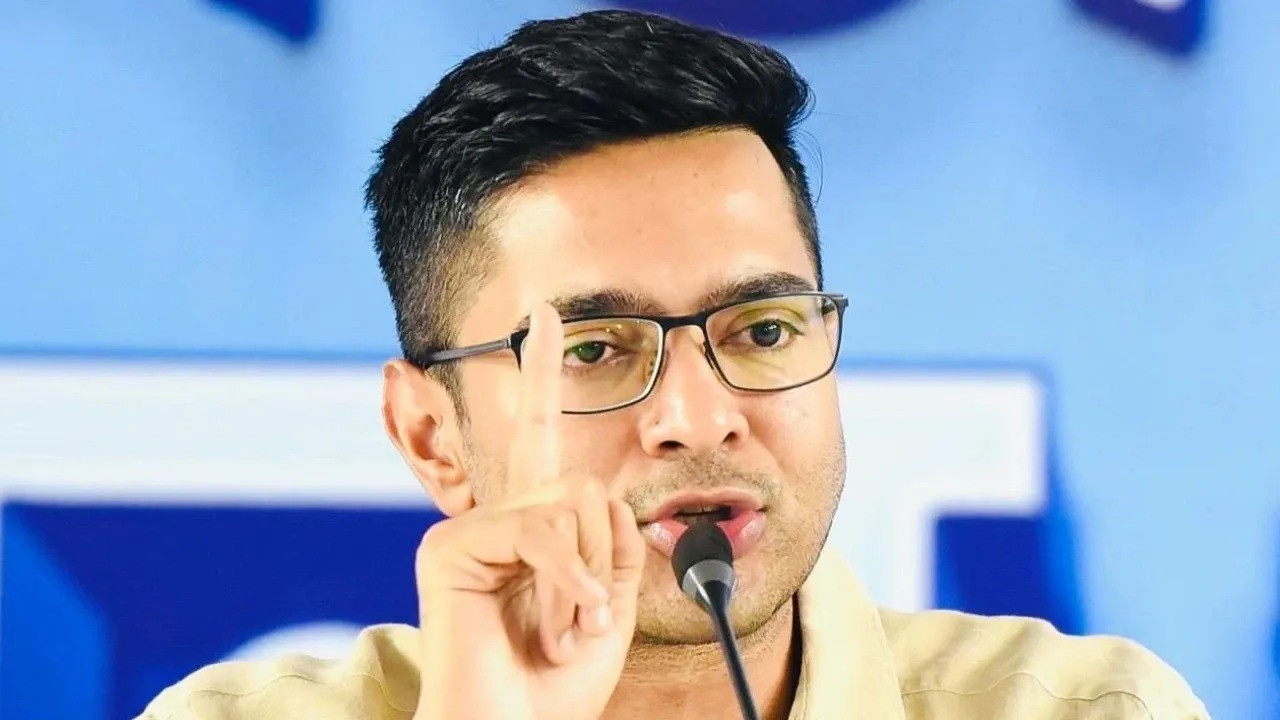
IIE DIGITAL DESK ; Kolkata, October 14: West Bengal BJP president Samik Bhattacharya has targeted opposition parties following the Bharatiya Janata Party’s emphatic victories in three local body elections in Gujarat, urging leaders such as Rahul Gandhi and Mamata Banerjee to engage in serious introspection rather than blaming Electronic Voting Machines (EVMs) and the Special Intensive Revision (SIR) of electoral rolls whenever they face electoral defeats. Bhattacharya also took a swipe at the Aam Aadmi Party (AAP), claiming that its candidates failed to save their security deposits in all 32 seats they contested across the three local elections.
In a social media post on Tuesday, Bhattacharya described the BJP’s performance in Gujarat as a message for opposition parties to reassess their political strategies and understand the reasons behind their electoral setbacks. He argued that public trust must be earned through governance, public service and development, rather than through allegations against the electoral process.
Bhattacharya, the BJP’s success reflected the confidence voters had placed in the party’s development-oriented politics under Prime Minister Narendra Modi’s leadership. He maintained that opposition leaders should examine their own political approach and reconnect with the electorate instead of repeatedly questioning the credibility of elections after losing.
“The results of the three elections in Gujarat reflect the people’s trust in Prime Minister Narendra Modi’s leadership and the politics of development,” Bhattacharya said in his post, underlining the BJP’s interpretation of the results as an endorsement of its governance and political agenda.
His remarks came after the BJP recorded substantial victories in the Gandhinagar Municipal Corporation, Thara Municipality in Banaskantha district and Okha Municipality in Devbhumi Dwarka district. Voting in these local bodies took place on Sunday, and the results showed the BJP securing a commanding majority across all three civic institutions.
Of the total 104 seats across the three local bodies, the BJP won 90, according to the figures cited in the report. The results highlighted the party’s strong electoral performance in Gujarat, where it continued to consolidate its position in local governance.
In the Gandhinagar Municipal Corporation, the BJP won 38 of the 44 seats, while the Congress secured five seats and an independent candidate won one. The outcome gave the BJP a decisive advantage in the state capital’s civic body, with the Congress emerging as the principal opposition but falling well short of the ruling party’s tally.
The BJP also performed strongly in Thara Municipality. Out of the 24 wards, the party won 19, while the Congress captured the remaining five seats. The results demonstrated a clear advantage for the BJP in the municipality and reinforced its overall performance across the three local elections.
In Okha Municipality, the BJP won 29 of the 32 wards, while the Congress secured three seats. The result further contributed to the BJP’s overwhelming victory across the three civic bodies, leaving the opposition with limited representation in the newly elected local administrations.
Bhattacharya specifically highlighted the performance of the Aam Aadmi Party, which contested 32 seats across the three elections. He claimed that none of its candidates managed to retain their security deposits. In Indian elections, a candidate can lose the deposit if they fail to secure the minimum proportion of valid votes required under election rules. The claim, if supported by the official results, points to a particularly poor performance for AAP in these contests.
The BJP leader’s comments also brought the issue of EVMs and the SIR exercise back into the political debate. Opposition parties, including the Congress and the Trinamool Congress, have raised concerns about electoral processes and voter-list revisions in different contexts. Bhattacharya argued that political parties should not automatically attribute defeats to these issues without examining their own organisational weaknesses, public outreach and policy positions.
His remarks carry particular political significance in West Bengal, where the BJP and the Trinamool Congress remain major rivals. By drawing attention to the Gujarat results, Bhattacharya sought to reinforce the BJP’s argument that voter support is determined by governance and development rather than allegations made after elections.
The comments also directly targeted Mamata Banerjee and Rahul Gandhi, two prominent opposition leaders who have frequently criticised the BJP on national and state-level political issues. Bhattacharya’s message was that opposition parties need to assess why voters choose the BJP rather than repeatedly challenging the electoral machinery.
The Gujarat results have given the BJP an opportunity to project its organisational strength and claim continued public support for Modi’s leadership. However, local body election outcomes reflect the political conditions and voter preferences in the constituencies concerned and do not, by themselves, establish how voters will behave in other states or future elections.
For the opposition, the results serve as a reminder of the challenge of translating political criticism into electoral gains. Building public confidence, strengthening grassroots organisations and presenting a convincing development agenda remain important factors in local elections.
Bhattacharya’s attack has added another layer to the ongoing political confrontation between the BJP and opposition parties. While the BJP is presenting its Gujarat victories as evidence of public confidence in its leadership, the opposition’s response and its ability to address electoral setbacks will remain central to the wider political debate.
With the BJP winning 90 of the 104 seats across the three Gujarat local bodies, Bhattacharya has used the outcome to question the opposition’s electoral strategy and urge its leaders to undertake introspection. His criticism of Rahul Gandhi, Mamata Banerjee and the Aam Aadmi Party has further sharpened the political exchange, with the debate over electoral accountability, EVMs and voter-list revision continuing to occupy centre stage.
You might also like!