Royal Beauty Secrets of India: How Queens Like Padmavati and Noor Jahan Defined Elegance
IIE DIGITAL: Long before the era of luxury skincare brands and modern beauty treatments, India’s royal women followed carefully preserved beauty traditions rooted in nature, Ayurveda and ancient wellness practices. Their charm was not just a reflection of appearance but also a combination of healthy living, discipline and the wisdom of traditional remedies.
From the grand palaces of Mewar to the sophisticated Mughal courts, stories of legendary queens continue to capture imagination. Their beauty rituals, created with flowers, herbs, oils and natural ingredients, reveal a fascinating chapter of India’s cultural heritage that remains relevant even today.
Among the most celebrated royal beauties was Noor Jahan, whose elegance became legendary during the Mughal period. Known for her refined taste and love for fragrances, she was closely associated with the use of rose-based beauty preparations. Rose water was considered a royal skincare essential, helping refresh the skin and maintain a natural glow. Floral essences such as jasmine and kewra were also valued for their long-lasting fragrance and luxurious appeal.
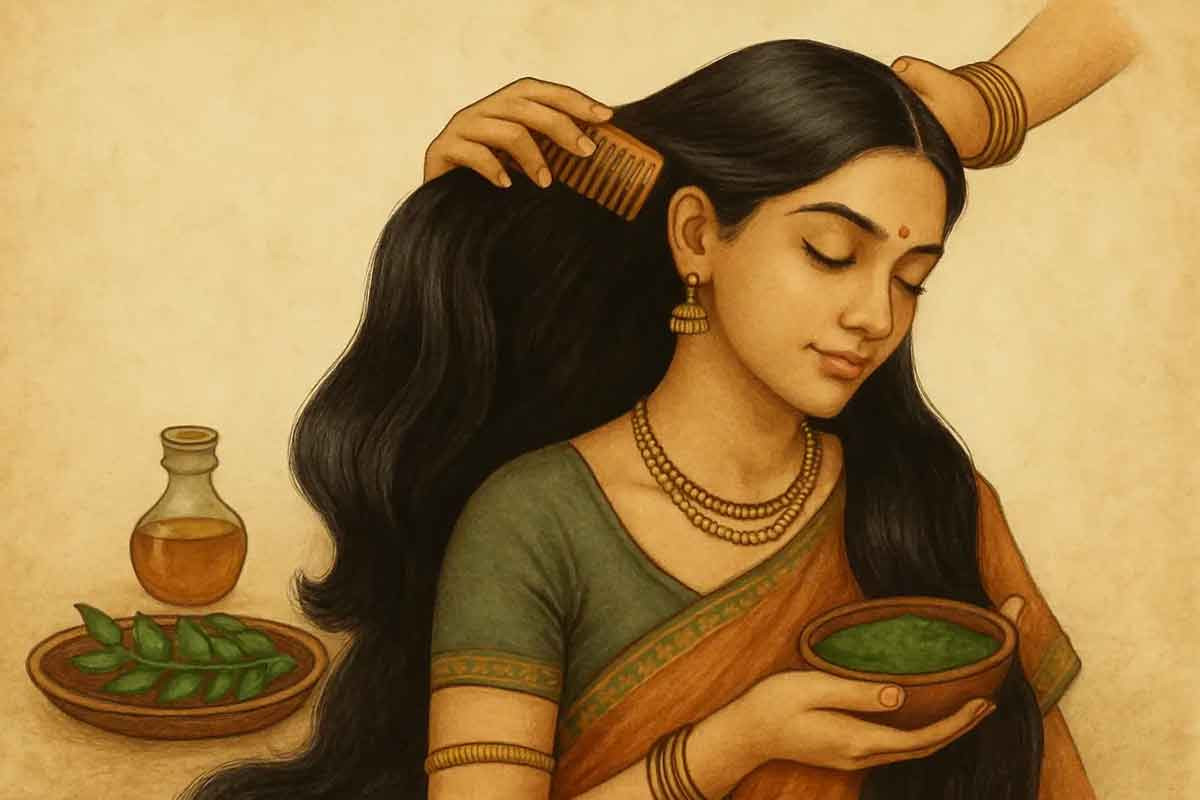
Royal women also paid special attention to hair care. Herbal oils prepared with medicinal plants, natural extracts and henna were commonly used to maintain healthy, lustrous hair. Traditional surma, made with natural ingredients, was preferred for eye makeup instead of modern chemical products.
The beauty traditions of Rajput queens reflected the needs of their surroundings. Living in dry and challenging climates, they relied on natural ingredients to protect and nourish their skin. Homemade preparations made from gram flour, turmeric, sandalwood, yoghurt and milk acted as cleansing and moisturising treatments. Rani Padmavati’s beauty is often linked in popular accounts with the use of saffron and sandalwood-based applications, believed to enhance skin radiance.
Hair care among Rajput royalty was equally elaborate. Oils infused with amla, bhringraj and fenugreek were used to strengthen hair, while natural cleansers like reetha and shikakai helped maintain softness and shine.
In South India, royal beauty traditions had their own distinct identity. The Travancore royal family placed great importance on hair care, with coconut oil combined with ingredients like hibiscus, curry leaves and herbal extracts forming a key part of traditional routines. Face packs prepared from turmeric, rice powder and green gram were used to keep the skin fresh and healthy.
Maharani Gayatri Devi of Jaipur represented a different definition of royal beauty. Her elegance came from simplicity rather than excessive cosmetics. A disciplined lifestyle, balanced diet, clear skin and minimal makeup became the signature of her timeless style, making her an international symbol of grace and sophistication.
Today, many of these royal beauty practices continue to inspire modern skincare trends. While products and techniques have evolved, the focus on natural ingredients, self-care and holistic wellness remains unchanged. The beauty legacy of India’s queens proves that true elegance is not only about appearance but also about the harmony between nature, health and lifestyle.
You might also like!