India Says Contact with Iran Leadership ‘Difficult’ as Jaishankar Outlines New Delhi’s Stance on Middle East War
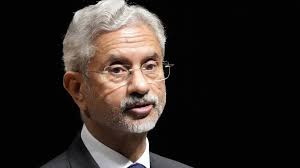
IIE DIGITAL DESK : India’s External Affairs Minister Subrahmanyam Jaishankar on Monday set out New Delhi’s position on the escalating Middle East conflict, acknowledging challenges in communication with Iranian leadership even as the government reiterated its consistent call for dialogue, de‑escalation and peace amid the crisis that has drawn in major powers and threatened regional stability. Addressing both Houses of the Indian Parliament in New Delhi, Jaishankar emphasised that India remains deeply concerned about the widening war, its human costs, and its implications for energy security, foreign nationals and global trade, asserting that diplomatic engagement remains the only viable way forward.
The External Affairs Minister underscored that while attempts have been made, high‑level engagements with Iran’s top leadership have been “obviously difficult” due to the ongoing conflict, noting that he has spoken twice with Iran’s Foreign Minister Abbas Araghchi, on February 28 and March 5, 2026, as part of India’s efforts to stay informed and maintain dialogue. He stressed that such communications will continue as part of India’s broader diplomatic outreach to all parties involved in the crisis.
Jaishankar framed India’s approach as centred on peace, restraint and diplomacy, reflecting New Delhi’s preference for negotiations to reduce tensions and avert further escalation. He reiterated that India wants West Asia to remain stable, a region that is critical for New Delhi’s interests, including energy security and the safety of Indian citizens. The minister highlighted that nearly 67,000 Indian nationals have already returned from the conflict‑affected parts of the Middle East, where millions of Indians live and work in countries across the Gulf and Iran. He underscored the government’s continuous monitoring of the situation and its efforts to safeguard Indian workers, students and travellers caught amid the crisis.
The conflict, which erupted in late February following attacks on Iran by Israel and the United States, has led to a severe deterioration in regional security dynamics, including strikes on Iran’s leadership and multiple Gulf states. Jaishankar emphasised in his address that India has consistently urged all sides to exercise restraint, prioritise the safety of civilians and pursue diplomatic avenues to resolve disputes, rather than resorting to prolonged warfare that threatens global stability.
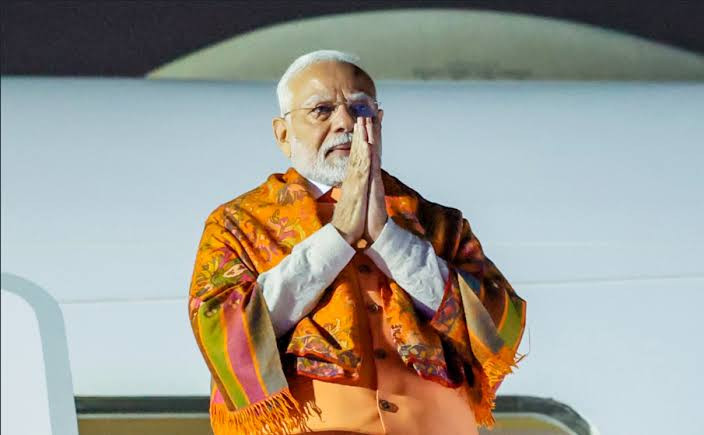
Jaishankar also highlighted the economic and energy implications of the Middle East war for India. He pointed out that disruptions to oil supplies and rising crude prices could have serious ramifications for the Indian economy and for energy markets at large, making it imperative for New Delhi to protect its energy interests while advocating for peace and coexistence. India’s diplomatic engagement, he noted, has been expansive, with Prime Minister Narendra Modi and senior ministers holding talks with leaders of Gulf countries including the UAE, Saudi Arabia, Qatar, Kuwait and Oman, all of whom have assured cooperation on the safety of Indian residents in their territories.
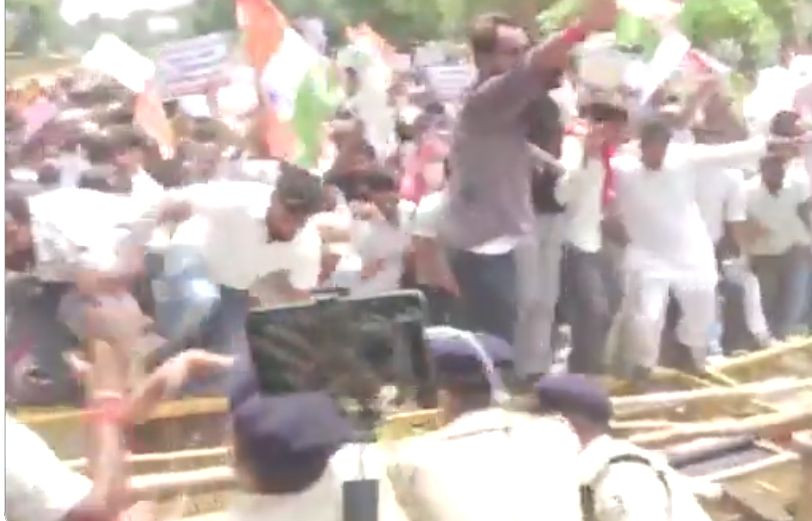
Jaishankar’s remarks came amid heated discussions and protests in Parliament, including opposition demands for a full debate on energy security and diaspora protection. Despite these political pressures at home, the minister reiterated that India will continue to push for dialogue and diplomacy — principles that New Delhi believes are essential to de‑escalating conflict, upholding international law, and safeguarding the interests of ordinary citizens across the region.
India’s stance reflects a careful balancing act aimed at preserving diplomatic ties, protecting national interests and contributing to regional stability, even as communication with key actors like Iran remains complex and constrained by the volatile wartime environment.
You might also like!