Major Breakthrough Against Dengue: India Approves Takeda’s Four Strain Vaccine QDENGA
IIE DIGITAL: India has taken a significant step in its battle against dengue as the Central Drugs Standard Control Organisation (CDSCO) approved Takeda’s QDENGA (TAK-003), making it the country’s first officially approved dengue vaccine. The landmark approval comes at a time when dengue cases have been rising rapidly across India, driven by factors such as rapid urbanisation, climate change, changing mosquito breeding patterns and population growth.
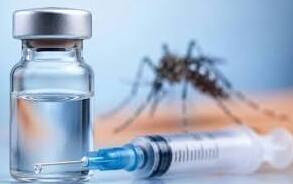
Developed by Japanese pharmaceutical company Takeda, QDENGA is a live attenuated tetravalent vaccine designed to provide protection against all four dengue virus strains — DENV-1, DENV-2, DENV-3 and DENV-4. A major advantage of this vaccine is that it can be administered without prior blood testing to check whether a person has been infected with dengue in the past. This makes it more suitable for large-scale vaccination programmes compared to the older dengue vaccine Dengvaxia, which requires confirmation of previous infection due to safety concerns among those who have never had dengue.
QDENGA works by training the immune system to recognise and fight all four dengue virus serotypes. The vaccine is given in two doses, with a gap of three months between each dose. It is administered through a subcutaneous injection and has already received approval in more than 40 countries, including nations in Europe, the United Kingdom, Brazil, Indonesia and Argentina.
The approval is particularly important for India, which carries one of the world’s highest dengue burdens. Over the past two decades, dengue cases in the country have increased significantly, putting immense pressure on healthcare systems, especially during the monsoon and post-monsoon seasons. Until now, India’s dengue prevention strategy has mainly depended on mosquito control measures, eliminating breeding grounds, protecting against mosquito bites, early detection and supportive treatment. The arrival of a vaccine provides an additional layer of protection against the disease.
The exact age group and vaccination guidelines for India will be announced through official prescribing information from CDSCO and Takeda at the time of launch. Globally, QDENGA has been approved for both children and adults in several countries and can be given regardless of whether a person has previously contracted dengue. This feature could make vaccination drives easier in India by removing the need for large-scale pre-vaccination testing.
Clinical studies have shown promising results for QDENGA. Data from the TIDES Phase III trial, which involved more than 20,000 children and teenagers across dengue-endemic countries, found that the vaccine provided strong protection against severe forms of the disease. After 4.5 years of monitoring, the vaccine showed around 84 per cent protection against dengue-related hospitalisation and approximately 61 per cent protection against confirmed dengue infections. The vaccine also continued to offer protection against severe dengue among people with and without previous dengue exposure, although effectiveness differed depending on the virus strain.
The cost of QDENGA in India has not yet been officially announced. However, Takeda’s partnership with Hyderabad-based Biological E to manufacture up to 50 million doses annually could help improve availability and potentially reduce costs in the future. Local production may also ensure a more stable supply and reduce dependence on imported doses. The final price will depend on factors such as manufacturing costs and whether the vaccine is initially available only through private healthcare providers or later becomes part of government vaccination programmes.
Experts point out that while QDENGA is a major breakthrough, it cannot completely eliminate dengue on its own. The disease is caused by four different virus serotypes, and mosquitoes continue to spread infections across communities. Rising temperatures, climate change and expanding urban areas are also creating favourable conditions for mosquito growth.
Health authorities emphasise that vaccination must be combined with existing dengue control strategies, including mosquito management, public awareness campaigns, disease surveillance, early diagnosis and timely medical care. The vaccine should be viewed as an additional defence rather than a replacement for preventive measures.
The approval of QDENGA marks a historic moment in India’s fight against dengue, offering new hope in reducing severe infections, hospital admissions and the burden on healthcare facilities. While questions regarding pricing, availability and inclusion in public immunisation programmes are still awaited, the vaccine’s ability to protect against all four dengue virus types without requiring prior infection testing makes it a potentially valuable tool in India’s long-term dengue prevention strategy.
You might also like!