Parliament’s Budget Session Ignites Intense Political Battles as No‑Confidence Motion Against Speaker Looms and West Asia Conflict Dominates Debate
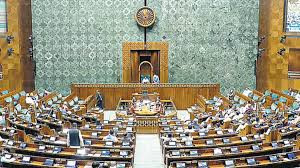
IIE DIGITAL DESK : The second half of Parliament’s Budget Session resumed on 10 March 2026 in New Delhi under a tense and highly charged atmosphere, with lawmakers across party lines engaging in heated political confrontations over procedural issues, geopolitical developments and internal parliamentary conduct. The Lok Sabha and Rajya Sabha both saw sharp exchanges, protests and procedural strategies that underscored the deepening divide between the Opposition and the ruling party as the session unfolds.
A defining feature of Tuesday’s proceedings in the Lok Sabha was the Opposition’s decision to **move a resolution to bring a no‑confidence motion against Lok Sabha Speaker Om Birla. The motion, backed by 118 Opposition MPs, was formally introduced by Congress MP Mohammad Jawed, who alleged “partisan behaviour” on the part of the Speaker, particularly over restrictions imposed during debates and interruptions to Opposition leaders’ speeches. The House agreed to allocate 10 hours for an extended debate on the motion, with perspectives from both sides set to shape the legislative narrative for the day.
The emergent controversy surrounding the Speaker has turned the ongoing session into a rare spectacle, as arguments over parliamentary procedure intertwined with broader political grievances. Tensions peaked as Opposition representatives challenged decisions on who would preside over the House during the motion’s discussion, while government MPs strongly defended the Speaker’s conduct and denied allegations of bias, characterising the motion as politically motivated.
Meanwhile, the session’s agenda was not limited to internal parliamentary conflict. External Affairs Minister S. Jaishankar was also set to address both Houses on the situation in West Asia, reflecting growing concerns in New Delhi and across the global community over the volatile geopolitical climate following recent clashes involving the United States, Iran and Israel. The Opposition has pressed for a full‑fledged debate on the West Asia crisis, arguing that the House deserves a comprehensive discussion on the conflict’s implications for India’s energy security, economic stability and the safety of Indian citizens residing in the Gulf region.
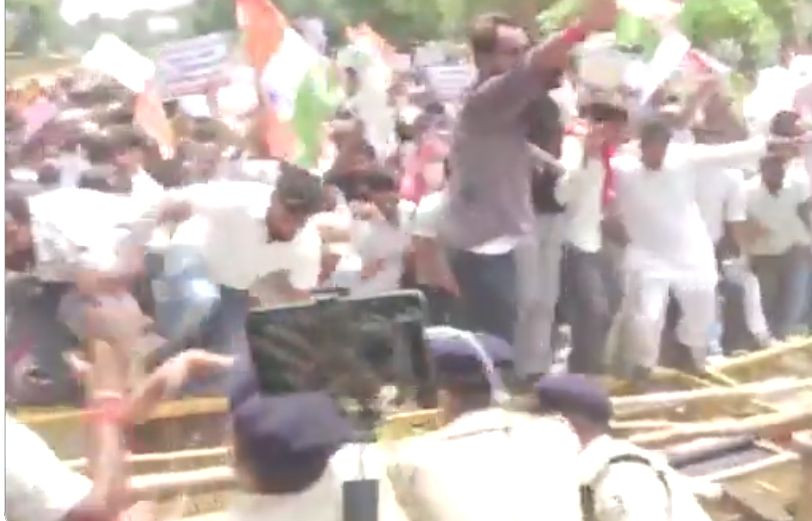
Protests and disruptions marked early proceedings on Monday, when the Lok Sabha was adjourned until the afternoon after noisy demonstrations by Opposition MPs demanding time for debate on the West Asia conflict and criticising what they described as “government silence” on critical issues. The adjournment highlighted the deep frustration among non‑ruling party members over limited opportunities to address national priorities amidst escalating global tensions.
Beyond geopolitical concerns, internal policy matters continued to feature prominently. In both Houses, discussions were underway on financial proposals, including the Supplementary Demands for Grants for the 2025‑26 fiscal year, tabled by Nirmala Sitharaman, reflecting the government’s attempt to secure parliamentary approval for additional expenditures as the fiscal year draws to a close.
Across the aisle, political rhetoric remained sharp as party leaders took to the floor to debate national and parliamentary conduct. Supporters of the motion against Speaker Birla framed it as a necessary check on perceived procedural bias, while government supporters rejected these claims, accusing the Opposition of undermining the dignity and decorum of the House.
As the Budget Session proceeds toward its scheduled conclusion on 2 April 2026, the focus remains on both legislative business and larger political narratives, including accountability, international affairs and fiscal priorities. The developments of 10 March signal a session that may well go down as one of the most contentious in recent parliamentary history, marked by robust debate, strategic posturing and significant policy discussions taking place against the backdrop of both domestic and international pressures.
You might also like!