War in West Asia Sparks Energy Alarm in India; Modi Government Forms High-Level Committee Led by Amit Shah
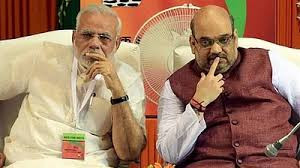
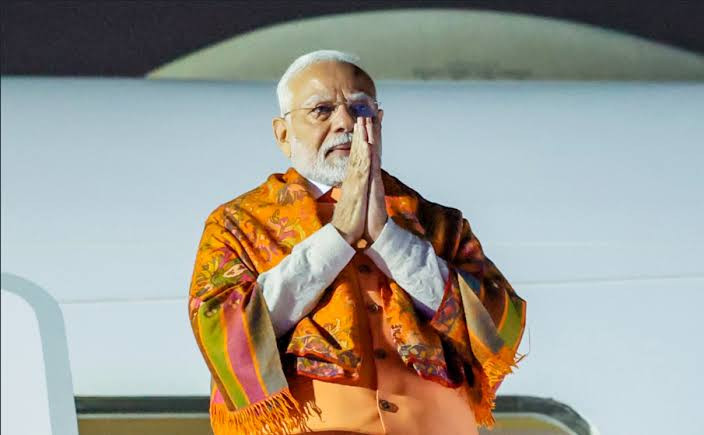
IIE DIGITAL DESK : The flames of conflict continue to engulf the Middle East, the shockwaves of the crisis are increasingly being felt inside Indian households. What began as a geopolitical confrontation has now evolved into an economic and energy challenge for millions across the country. Rising fuel prices, disruption in supply chains, and uncertainty surrounding global oil routes have intensified public anxiety. In response to the growing crisis, the government led by Narendra Modi has formed a powerful three-member committee headed by Union Home Minister Amit Shah to tackle the twin challenges of the Iran conflict and India’s emerging energy crunch.
The high-level committee also includes External Affairs Minister S. Jaishankar and Petroleum and Natural Gas Minister Hardeep Singh Puri. According to government sources, the panel has been tasked with closely monitoring the evolving geopolitical situation and ensuring that India’s energy supply lines remain secure despite the turmoil in West Asia.
The conflict involving Iran, United States, and Israel has now stretched for nearly two weeks, and its ripple effects have begun to disrupt global energy flows. One of the most significant developments has been Iran’s decision to effectively restrict maritime movement through the strategically crucial Strait of Hormuz, a narrow waterway that carries a substantial portion of the world’s oil exports.
The closure of this key shipping corridor to most countries—while allowing limited passage to vessels linked with Russia and China—has severely affected oil and gas shipments destined for India. With India heavily dependent on imported crude oil and liquefied natural gas, the disruption quickly translated into a supply crunch within the country.
The impact was swift and visible. Prices of both domestic LPG cylinders and commercial gas surged sharply, putting additional pressure on household budgets as well as small businesses. Soon after the price hike, the availability of commercial gas supplies was drastically curtailed across the country. Hotels and restaurants in several cities were forced to suspend operations temporarily as fuel shortages made it difficult to keep kitchens running.
The crisis also created unprecedented inconvenience for ordinary consumers. People attempting to book cooking gas cylinders encountered repeated delays and shortages. In order to prevent panic buying and hoarding, the government extended the minimum interval between LPG bookings from 21 days to 25 days. The move was aimed at ensuring a more balanced distribution of available gas supplies during the ongoing crisis.
Noticeable shift in consumer behavior has begun to emerge. As households attempt to reduce dependence on expensive or scarce LPG, the demand for alternative cooking technologies such as induction stoves and electric cooking appliances has risen sharply across urban markets.
The newly constituted Iran-focused committee has already begun holding meetings to coordinate the government’s response. Officials say the panel will engage with state governments across India and hold consultations with various ministries and departments to address the evolving energy situation. The objective is to build a coordinated national strategy that ensures both supply stability and public reassurance.
The committee is also expected to play a diplomatic role. Apart from domestic consultations, it will maintain dialogue with Tehran on multiple fronts, including energy supply routes and maritime transport security. Recent developments suggest that authorities in Tehran have already indicated their willingness to allow India-bound vessels to pass through the Strait of Hormuz, a step that could help restore the flow of oil shipments in the coming weeks.
Another major priority for the government remains the safety of Indian citizens currently present in Iran. Thousands of Indians, including students, workers, sailors, and pilgrims, are believed to be in the country amid the volatile security situation. Ensuring their protection and exploring safe evacuation options will form a critical part of the committee’s mandate.
Diplomatic observers believe that India’s longstanding ties with Iran could become a vital strategic advantage during this tense period. For decades, New Delhi has maintained a pragmatic and balanced relationship with Tehran, especially in the areas of energy cooperation and regional connectivity.
As the conflict in West Asia continues to evolve, the Modi government’s newly formed crisis management committee is expected to serve as the central nerve centre for India’s response. Whether through diplomacy, coordination with states, or strategic energy management, the committee’s actions in the coming days could play a decisive role in preventing the geopolitical crisis from turning into a prolonged domestic energy emergency.
You might also like!