Sundarbans to Emerge as Global Eco-Tourism Hub, Says Bengal Government
IIE Digital Desk: The government of West Bengal recently announced an ambitious plan to develop the Sundarbans into a globally recognised eco-tourism destination, while maintaining the preservation of its fragile mangrove ecosystem. During the celebration of World Mangrove Day, Sankar Ghosh, the Tourism Minister, announced the state's vision of uniting tourism and environmental conservation. The announcement was made through an electronic platform.
The government's objective, as stated by Ghosh, is to make the Sundarbane after Darjeeling into West Bengal' second international eco-adventure and wellness tourism destination. The Centre has granted permission for the state to develop another tourism destination under the "One State, One Destination" programme, with the Sundarbans being chosen over Mandarmani, as per his statement.
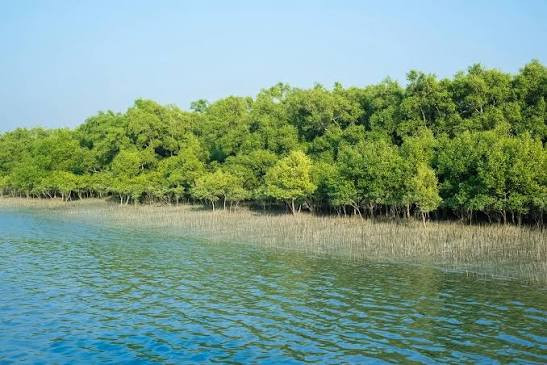
According to the minister, ecological preservation will remain central to this project. Authorities have announced their intention to map the area using satellite technology to identify environmentally sensitive areas and reduce ecological impact before any tourism infrastructure is built. Together with the Tourism Department, Forest Department and Sundarban Development Board to prepare master plan. The Sunarbans is a unique natural landscape that has been recognized as UNESCO World Heritage Site. The region's habitat is home to the Royal Bengal Tiger, estuarine crocodiles, spotted deer and various birds, reptiles or aquatic creatures, stretching across India and Bangladesh. The mangrove forests act as a crucial natural shield against cyclones and coastal erosion, while also providing employment to thousands of individuals who engage in various fishing, honey-crafting, and tourism pursuits.
The eco-tourism project is designed to improve visitor experiences by introducing better facilities, environmentally friendly lodging, and enhanced tourism infrastructure. In the meantime, it intends to create jobs for local populations and reinforce ongoing conservation initiatives. The region's ecological balance is not anticipated to be compromised by the ongoing efforts to promote economic development, as per officials.
The state government aims to promote a "blue carbon economy" and coordinate with various departments to ensure sustainable tourism activities.
The program supplements the tourism plan of West Bengal that has broader objectives, including investments in eco-tourism in Sundarbans and Darjeeling, as well as efforts to promote heritage and religious tourism. If implemented correctly, the project may elevate the Sundans to the status of one of the top eco vacation destinations in the world.
You might also like!