Iran-Oman Deal Could Hand Tehran Greater Control Over the Strait of Hormuz
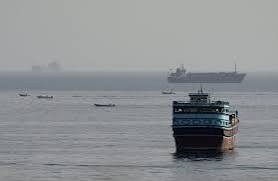
IIE Digital Desk: A proposed agreement between Iran and Oman could reshape the way ships navigate the strategically important Strait of Hormuz, with reports suggesting that Iran may be given responsibility for overseeing vessels entering the Persian Gulf. Though the deal is still under negotiation, it is already being seen as a development with major implications for global energy supplies and regional security.
According to reports, the proposed arrangement would divide responsibility for maritime traffic between the two countries. Iran would oversee inbound ships entering the Gulf, while Oman would manage outbound vessels leaving the region. The Strait of Hormuz is one of the world's busiest and most critical shipping routes, handling a large share of global crude oil and liquefied natural gas exports. Any change in its management is likely to draw close attention from governments and energy markets worldwide.
The proposal is believed to be part of broader diplomatic efforts aimed at easing tensions after months of strained relations involving Iran and the United States. While negotiations have reportedly made progress, officials say several important details still need to be resolved, including the extent of Iran's authority over incoming vessels and the long-term mechanism for implementing the agreement.
Earlier reports suggested that Tehran wanted to introduce transit fees for commercial ships passing through the strait. However, recent discussions indicate that the emerging framework may not include mandatory tolls. Instead, negotiators are said to be focusing on coordinating shipping lanes and improving navigation to ensure the safe movement of vessels.
The proposal has raised concerns among Gulf countries and Western policymakers, who worry that giving Iran greater oversight of inbound shipping could strengthen its strategic influence over one of the world's most important maritime corridors. Analysts say any shift in control over the strait could have wider consequences for global trade and energy markets, particularly if regional tensions escalate in the future.
Iranian officials have described the talks with Oman as positive, saying both sides have reached a preliminary understanding on the proposed shipping arrangements. However, diplomats caution that the agreement is still being negotiated and has not yet received all the necessary approvals. A joint announcement is expected once the remaining issues are settled.
If finalised, the agreement would mark one of the biggest changes in the management of the Strait of Hormuz in recent years. It would also underline the waterway's enduring strategic importance and its central role in global commerce and geopolitical stability.
You might also like!