Dilip Ghosh: “Conspiracy to Turn India into Bangladesh or Pakistan!” BJP Leader Sees ‘Foreign Hand’ Behind NEET Protest
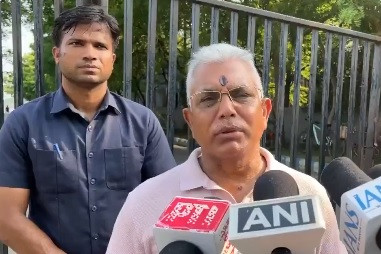
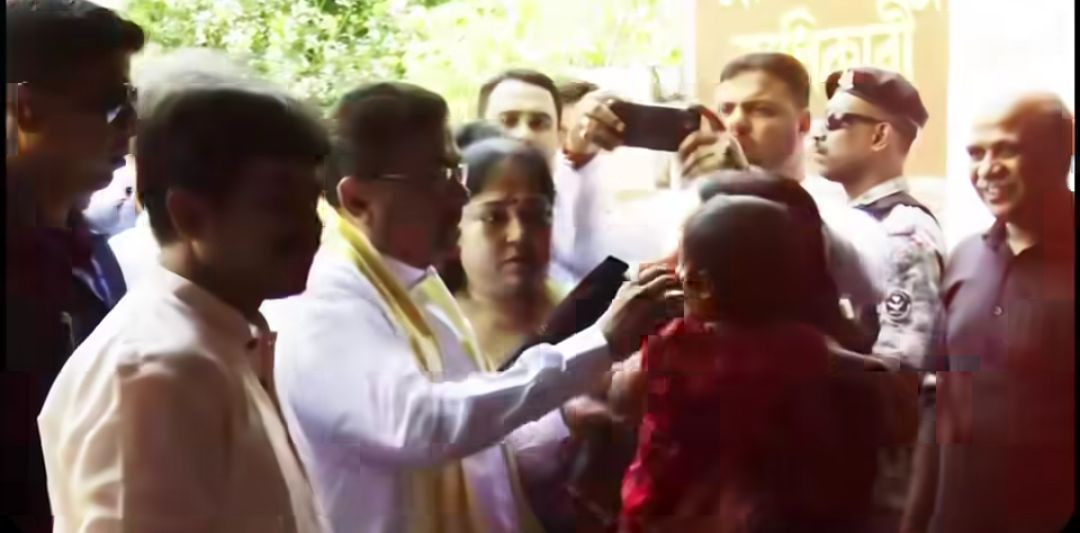
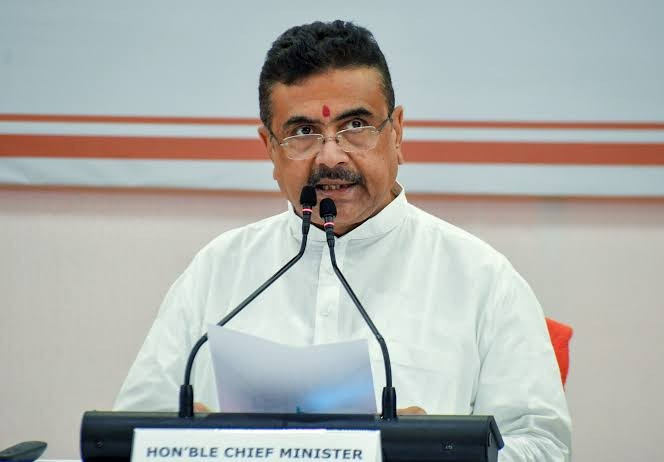
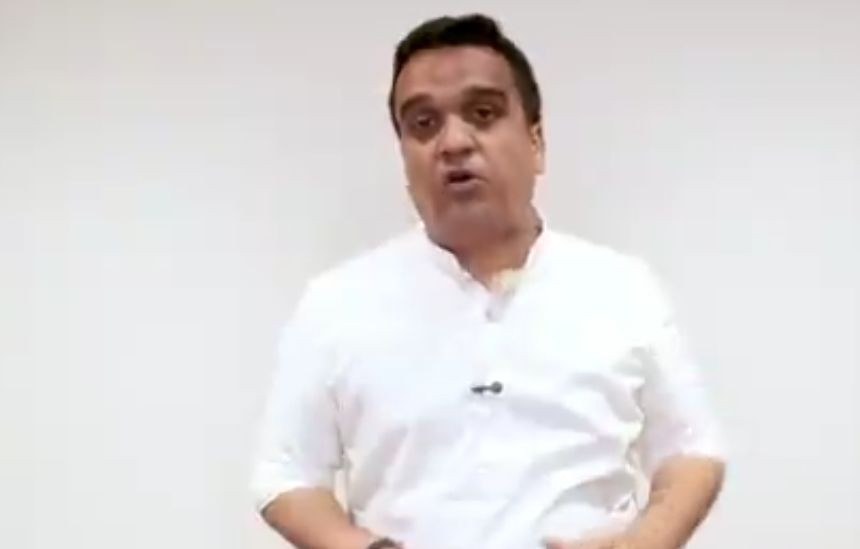
IIE DIGITAL DESK ; Kolkata, July 24: Senior BJP leader and West Bengal minister Dilip Ghosh has sparked a fresh political controversy by alleging that the ongoing protests over the alleged NEET question paper leak are part of a larger foreign conspiracy aimed at destabilising India. His remarks came amid continuing demonstrations at Jantar Mantar in New Delhi, where students and activists have been demanding accountability over the examination controversy and the resignation of Union Education Minister Dharmendra Pradhan.
The protests, organised under the banner of the Cockroach Janata Party (CJP), have continued for several days in the national capital. Students from different parts of the country, along with their parents and supporters, have joined the demonstrations, demanding a fair investigation into the alleged irregularities in the National Eligibility-cum-Entrance Test (NEET) and comprehensive reforms in the country's examination system.
Environmental activist Sonam Wangchuk, who had joined the agitation in support of the students, undertook a prolonged hunger strike that lasted for more than two weeks before being hospitalised after his health deteriorated. His participation had drawn nationwide attention to the movement and intensified the political debate surrounding the alleged paper leak.
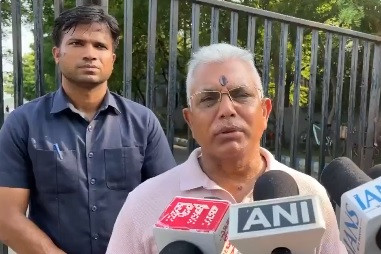
Reacting to the developments, Dilip Ghosh launched a sharp attack on the protest at Jantar Mantar, claiming that the agitation was not merely a student movement but part of a well-planned international conspiracy. According to him, foreign forces were attempting to create instability in India similar to situations witnessed in neighbouring countries.
Dilip Ghosh said, “The Parliament session is underway, and the media presence is naturally higher during this period. That is why this time has been chosen to attract maximum publicity. There is an attempt to turn our country into Pakistan or Bangladesh. Similar attempts have failed in the past, and this one will also fail. This movement will ultimately meet the same fate as the farmers' protest.”
The BJP leader further alleged that those participating in the agitation had become instruments of foreign interests. He claimed that professional foreign-backed groups were attempting to exploit the situation to create unrest within the country.
He stated, “They have become agents of professional foreign forces, and that is why they are creating this disturbance. But people must remember that the country is being governed by Narendra Modi and Amit Shah. Appropriate decisions will be taken at the right time. Many of those who initially joined the movement are now beginning to realise how they have been used by others.”
Dilip Ghosh's remarks have triggered fresh political reactions as the controversy surrounding the alleged NEET paper leak continues to dominate national discourse. Opposition parties have accused the Centre of failing to address the concerns of students, while the government has announced plans to introduce stricter laws, including fast-track courts and enhanced punishment for examination-related offences.
The comments also come at a time when the health of Sonam Wangchuk and the continuing protests at Jantar Mantar have placed additional pressure on the central government to respond to demands for greater transparency and accountability in India's examination system.
Political observers believe Dilip Ghosh's allegations of a "Bangladesh-Pakistan conspiracy" and foreign involvement are likely to intensify the already heated political confrontation between the ruling National Democratic Alliance (NDA) government and the Opposition over the NEET controversy. As protests continue and political rhetoric escalates, the issue remains one of the country's most closely watched developments in both politics and education.
You might also like!