Health Tips: Foot Pain and Swollen Ankles During Durga Puja? How to Stay Healthy and When to Seek Urgent Medical Care
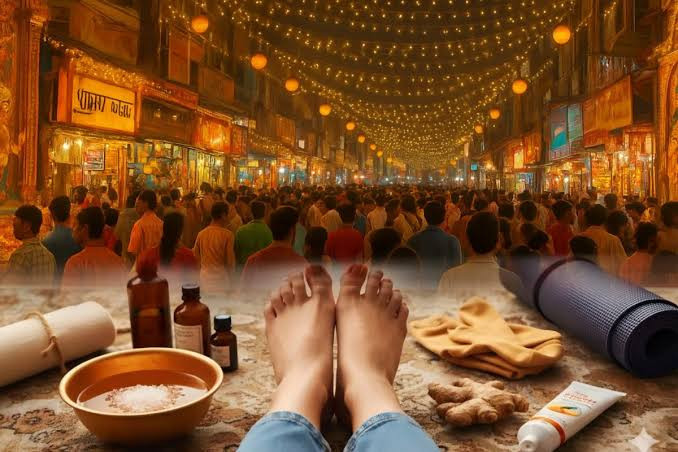
IIE DIGITAL DESK ; Kolkata, October 14: The joy of pandal-hopping during Durga Puja often means standing in long queues, walking from one pandal to another and spending several hours on your feet. However, by the end of the day, many people may experience foot pain, swollen ankles, muscle cramps or discomfort in their knees. While these symptoms can sometimes result from physical fatigue and excessive walking, they should not always be dismissed as ordinary tiredness. Older adults and people with diabetes or heart disease need to take particular care to avoid complications during the festive season.
With crowds gathering at pandals and visitors spending extended periods on their feet, taking a few simple precautions can help make celebrations more comfortable. It is equally important to recognise the warning signs that require medical attention rather than attempting to manage every problem at home.
Why can standing for long hours cause problems?
Standing continuously or walking much more than usual can put additional pressure on the muscles and joints of the feet and legs. This may lead to muscle soreness, discomfort in the soles, knee pain and swelling around the ankles. People who do not regularly walk long distances may be particularly vulnerable to such discomfort. Wearing tight or uncomfortable footwear and standing for hours on hard surfaces can make the problem worse.
However, not every instance of leg pain or swelling should be attributed to fatigue. Prolonged immobility can increase the risk of blood clots in the deep veins, particularly in people with other risk factors. This condition is known as deep vein thrombosis (DVT). Recognising the difference between ordinary muscle soreness and unusual swelling is therefore essential.
How to take precautions while waiting in queues
When planning pandal visits, consider your physical fitness and avoid pushing yourself beyond your limits. Instead of standing continuously for long periods, take opportunities to sit and rest. If you have to remain standing, shift your weight from one foot to the other and move your ankles gently from time to time. When space permits, take a few short walks rather than remaining stationary throughout the wait.
Choosing the right footwear is equally important. Tight shoes, hard soles and high heels may be unsuitable for prolonged walking and standing. Wear comfortable shoes that fit properly and provide adequate support. Avoid setting out for a long day of pandal-hopping in a new pair of shoes, as they may cause blisters or friction injuries.
Keep drinking water regularly to avoid dehydration during long outings. However, people with heart or kidney conditions who have been advised by their doctors to restrict fluid intake should continue to follow their prescribed limits rather than increasing their water consumption without medical guidance.
What should you do if your feet hurt or your ankles swell?
If the discomfort appears to be related to ordinary physical fatigue, resting at home and elevating the legs for a while may help relieve mild swelling. Allow the muscles time to recover instead of immediately resuming strenuous activity. If the pain persists, becomes more severe or the swelling does not improve, seek medical advice.
Avoid taking painkillers on your own simply to suppress the symptoms and continue walking for hours the following day. Certain pain-relieving medicines may pose additional risks for people with kidney disease, high blood pressure or heart conditions. Such individuals should consult a healthcare professional before using these medicines.
People with diabetes need to pay particular attention to their feet. Reduced sensation can make it difficult to notice blisters, cuts, pressure injuries or friction caused by footwear. After returning home, carefully examine the soles of the feet and the spaces between the toes. Any wound, blister or unusual change should not be ignored, as foot injuries can become serious if left untreated.
Which symptoms require immediate medical attention?
Sudden swelling in one leg, particularly when accompanied by pain, redness or an unusual feeling of warmth, may indicate deep vein thrombosis. These symptoms require prompt medical assessment. Do not massage the affected leg or start taking medicines on your own while waiting for medical advice.
The situation becomes an emergency if leg symptoms are accompanied by sudden breathlessness, chest pain, dizziness or fainting. These warning signs may indicate a potentially life-threatening complication, such as a pulmonary embolism, in which a blood clot travels to the lungs. Seek emergency medical care immediately if such symptoms occur.
People with diabetes, heart disease and other long-term health conditions should also be alert to any sudden or unusual changes in their health during the festivities. Persistent pain, worsening swelling or difficulty walking warrants medical evaluation rather than repeated attempts at self-treatment.
Enjoy Durga Puja without neglecting your health
Pandal-hopping is an integral part of the Durga Puja celebrations, but a little planning can help prevent unnecessary discomfort. Choose comfortable footwear, take regular breaks, avoid standing still for excessively long periods and remain adequately hydrated within any medical fluid restrictions. Older adults and people with existing health conditions should plan shorter outings and allow sufficient time for rest.
Most importantly, do not ignore unusual symptoms in the excitement of the festivities. While mild discomfort may improve with rest, sudden one-sided leg swelling or symptoms such as chest pain and breathlessness require urgent medical attention. By listening to your body and taking timely precautions, you can enjoy the festive season while keeping your health a priority.
You might also like!