Bolivia Erupts in Anti-Government Protests, Indefinite State of Emergency Declared
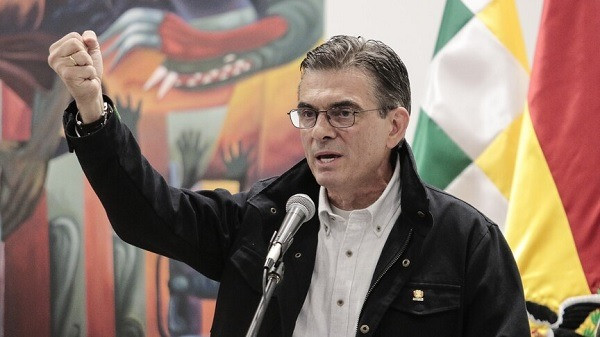
IIE DIGITAL DESK ; La Paz, June 20: The weeks of relentless anti-government demonstrations, road blockades, and a rapidly worsening political and economic crisis, Bolivian President Rodrigo Paz has declared an indefinite state of emergency across the country. Addressing the nation on Saturday, the President stated that the extraordinary measure was necessary to restore normal life and ensure the uninterrupted functioning of essential services.
The protests, led by labour unions, farmers’ organizations, and supporters of former President Evo Morales, have intensified with demonstrators demanding President Paz’s resignation. Protesters have taken to the streets in anger over soaring inflation, a deepening economic crisis, shortages of fuel, and the rising cost of living that has placed immense pressure on ordinary citizens.
The ongoing blockades, which have continued for nearly 50 days, have severely disrupted daily life across Bolivia. Several regions are experiencing shortages of food supplies, fuel, and essential medicines, while trade, transportation, and supply chains have been pushed to the brink of collapse. The prolonged unrest has raised serious concerns over the country’s ability to maintain economic stability and provide basic necessities to its people.
In his national address, President Paz announced that he had ordered the implementation of a “State of Exception” to restore normal transportation and public life throughout the country. He emphasized that the Bolivian people could not continue to remain hostages to blockades that prevent them from working, studying, receiving medical treatment, obtaining essential goods, and ensuring that food reaches their homes.
The President explained that under the emergency measures, the military and police would receive broader authority to restore law and order, clear road blockades, and maintain critical public services. He accused certain organized groups of resorting to violence in an attempt to paralyze the nation. The government, he added, had held multiple rounds of discussions with protest leaders in an effort to find a peaceful resolution, but those negotiations failed to produce any meaningful breakthrough.
It is noteworthy that only last month President Paz signed a law allowing the armed forces to intervene during situations involving internal conflict. At that time, however, he had maintained that the declaration of a state of emergency would be considered only as a final option.
Having taken office just seven months ago, the moderate leader is now facing one of the most severe economic crises in Bolivia’s recent history. A shortage of foreign currency reserves, a decline in natural gas exports, the highest inflation rate in four decades, and a continuing fuel shortage have placed his administration under enormous pressure.
Political analysts believe that the situation began to deteriorate significantly after the government decided in May to reduce the country’s long-standing fuel subsidies as part of efforts to reduce the fiscal deficit. The decision triggered greater public dissatisfaction and gave fresh momentum to the protest movement.
Along with demanding the resignation of President Paz, demonstrators are also calling for higher wages, adequate fuel supplies, and urgent measures to resolve the shortage of U.S. dollars in the country. According to analysts, the crisis has now moved beyond a purely economic issue and has transformed into a wider political confrontation, the consequences of which may have long-lasting effects on Bolivia’s future.
You might also like!