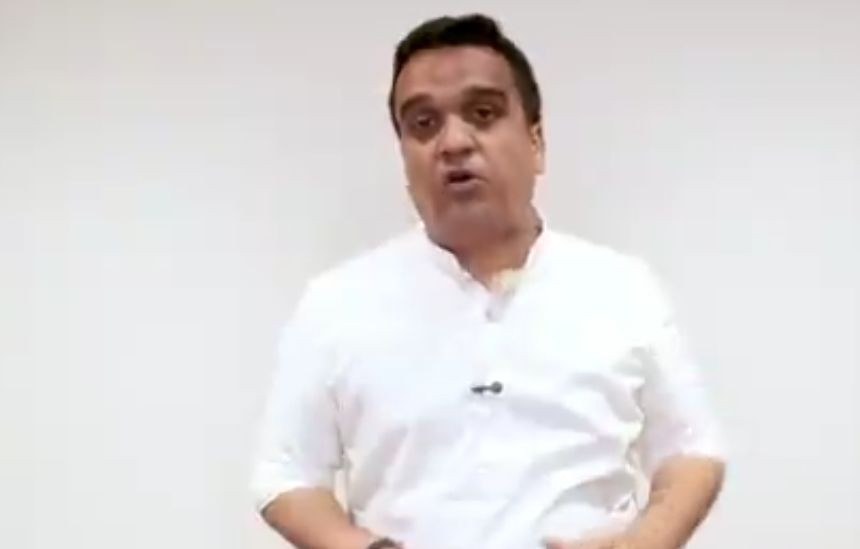
‘Why Does a Secular State Need a Separate Minority Department?’ BJP MLA Sajal Ghosh Raises Question in Assembly
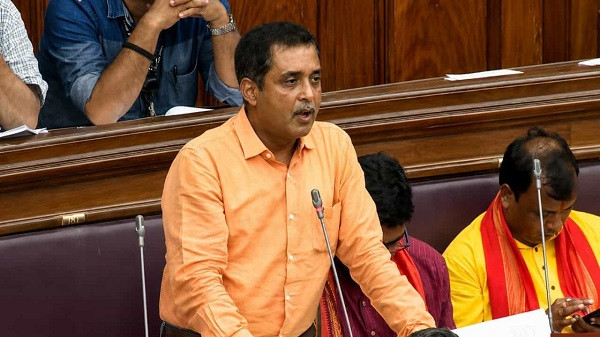
IIE DIGITAL DESK ; Kolkata | June 24, 2026 : West Bengal politics after BJP MLA Sajal Ghosh questioned the very existence of the state's Minority Affairs and Madrasa Education Department during a discussion in the Legislative Assembly. His remarks, made during the debate on the motion of thanks to the Governor’s address following the presentation of the state budget, triggered fresh controversy over the issues of secularism, minority welfare, and government policy.
The debate unfolded a day after the state government presented its much-discussed budget, with several political parties and legislators expressing differing views on allocations and welfare measures. While some lawmakers criticized the budget for allegedly neglecting minority communities, Sajal Ghosh took an entirely different position by questioning whether a secular state should maintain a separate department dedicated to minorities at all.
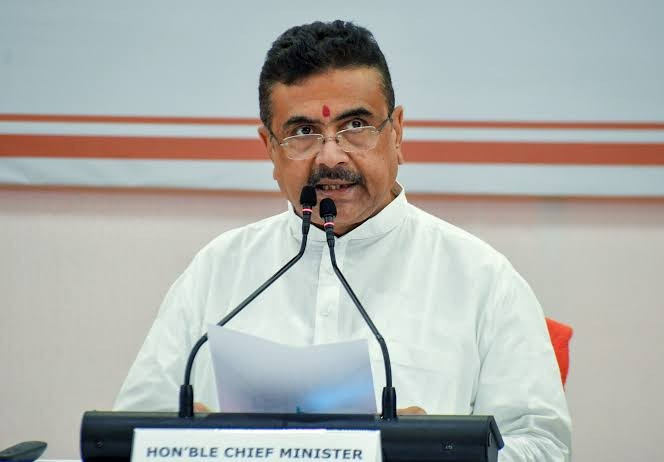
Participating in the Assembly discussion on Tuesday, the BJP legislator from Baranagar argued that the existence of a separate minority department contradicts the principle of secular governance. According to him, categorizing citizens as minorities and majorities creates divisions within society rather than promoting equality among all communities.
Referring to questions raised after the budget presentation, Ghosh said that several people had asked him what special provisions had been made for minority communities in the latest budget. He responded by turning the question back to the government and challenging the rationale behind maintaining a dedicated minority affairs department.
“After the budget was presented yesterday, many people asked me what special provisions had been made for minorities. Today I want to ask the government a larger question. If our state and our country are secular and neutral in character, then is there really any necessity for a separate Minority Affairs Department? By constantly labeling people as minorities and majorities, we are ourselves building walls between communities and dividing society,” Ghosh said during his speech.
His comments immediately drew attention because they touched upon one of the most debated issues in Indian politics—the balance between targeted welfare measures for disadvantaged communities and the constitutional principle of equality before the law.
The controversy comes against the backdrop of criticism from sections of the opposition regarding the state budget's treatment of minority communities. Following the budget presentation on Monday, Akhruzzaman, Chief Whip of the New Trinamool and a member of the Assembly, expressed strong dissatisfaction with the government's financial proposals.
Akhruzzaman alleged that the budget failed to provide meaningful benefits for minority communities and claimed that the government was deliberately neglecting their interests. He went a step further by accusing the administration of targeting minorities through its budgetary priorities, a charge that intensified the political debate surrounding the budget.
Political observers note that the two contrasting positions have transformed what began as a discussion on fiscal policy into a broader ideological confrontation. On one side are those who argue that minority-focused departments and welfare schemes are necessary to address historical disadvantages and ensure inclusive development. On the other side are voices such as Sajal Ghosh’s, which contend that separate institutions based on religious or community identity undermine the principle of equal treatment for all citizens.
Analysts believe that the issue is likely to remain a major talking point in West Bengal politics in the coming weeks. The debate has moved beyond questions of budget allocations and entered the realm of competing political philosophies—development versus deprivation, and appeasement versus equality.
The Assembly session continues, the discussion surrounding minority welfare, secularism, and government policy is expected to intensify further. Sajal Ghosh’s remarks have already sparked significant political reactions, and many observers will be watching closely to see whether the controversy develops into a larger political battle ahead of future electoral contests in the state.
Both ruling and opposition camps taking sharply different positions, the budget debate has evolved into one of the most contentious political discussions of the session, highlighting the deep ideological divisions that continue to shape West Bengal's political landscape.
You might also like!