“When They Carry Out Pulwama, We Respond with Balakot!” Governor R.N. Ravi Issues Strong Warning to Pakistan During Malda Visit
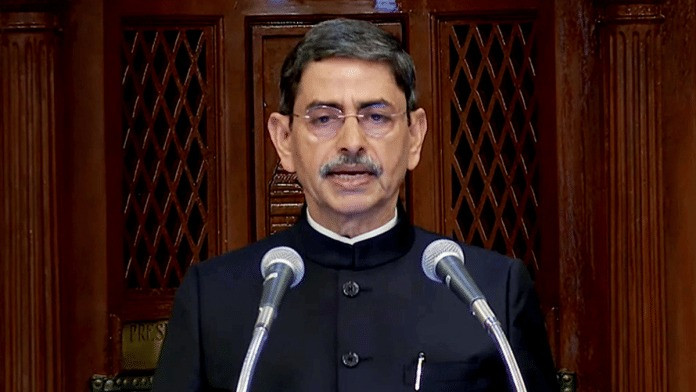
IIE DIGITAL DESK ; Malda | June 24, 2026 : West Bengal Governor R.N. Ravi delivered a strongly worded address on national security, terrorism, Sikh history, and India’s economic growth during his visit to Malda, where he sharply criticized Pakistan while also advocating the inclusion of Sikh Gurus’ sacrifices in school curricula across the country.
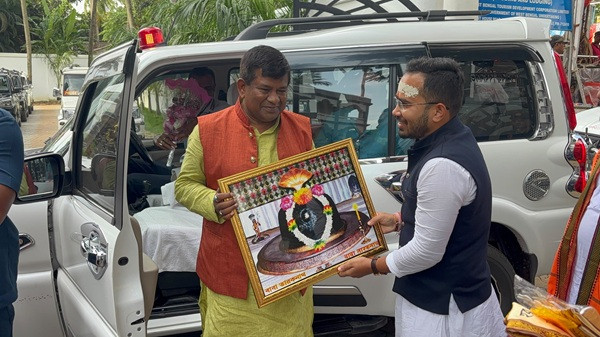
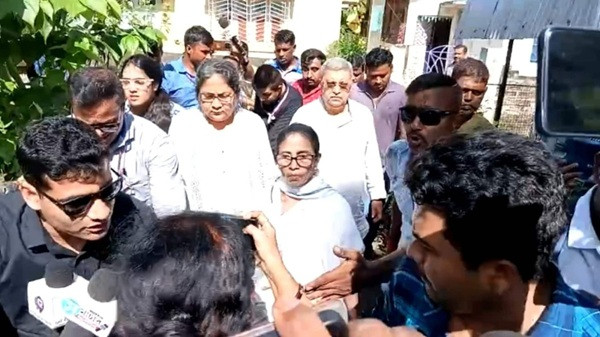
The Governor began his visit by paying tribute to Guru Tegh Bahadur, the ninth Sikh Guru, on the occasion of his 350th martyrdom anniversary. He visited a gurdwara located in Ward No. 5 of Old Malda Municipality, where he offered his respects and interacted with members of the Sikh community.
Later, he attended a discussion programme organized for members of the Sikh community at Kalachand High School. As part of the day's itinerary, he also visited the historic Ramkeli Dham in the Mahadipur area of English Bazar block. The special event was organized by the Eastern Zonal Cultural Centre under the Ministry of Culture, Government of India, to commemorate the legacy and contributions of Sikh Gurus to Indian civilization.
Governor Ravi touched upon issues of national security and India's response to terrorism. Speaking about Pakistan and cross-border terrorism, he expressed concern over what he described as long-standing challenges faced by India.
“A small country like Pakistan continues to occupy a part of Kashmir, and for years we have relied on the United Nations and diplomatic processes. The 26/11 Mumbai terror attacks were an insult to the nation and a painful reminder of the threats posed by terrorism,” he said.
Highlighting what he described as a significant shift in India's security policy under the Narendra Modi government, Ravi emphasized that the country now responds more decisively to acts of terrorism.
“When they carried out Pulwama, we responded with Balakot. We conducted surgical strikes. India will remain strong both in knowledge and in arms. The Sikh Gurus have played a major role in shaping this spirit of courage, sacrifice, and national pride,” the Governor stated.
The present global and regional environment as “deeply concerning” and remarked that India had historically suffered due to divisions created in the name of religion. According to him, national unity and cultural confidence remain essential in the face of contemporary challenges.
Referring to the inclusive nature of Indian civilization, Ravi said that Sanatan culture teaches people to treat everyone as friends and equals. He contrasted this with ideologies that divide humanity based on faith and belief systems.
“In Indian culture, we consider everyone a friend. Our civilization does not teach us to view others as enemies or unbelievers. Those who promote such thinking are not part of the true spirit of Indian culture,” he said.
The Governor also recalled the sacrifice of Guru Tegh Bahadur and its significance in Indian history. He noted that more than three centuries ago, when Kashmiri Brahmins were allegedly facing persecution, Guru Tegh Bahadur stood up in their defense and chose to sacrifice his life rather than compromise his principles and faith.
Ravi, Mughal Emperor Aurangzeb attempted to force Guru Tegh Bahadur to change his religion, but the Sikh Guru refused to submit. As a result, he was executed. The Governor alleged that efforts have been made over the years to diminish public awareness of this chapter of history.
“This glorious history has repeatedly been pushed into the background. But we must not allow ourselves to forget the sacrifices that were made to protect faith, freedom, and human dignity,” he said.
The need to educate younger generations about these sacrifices, Ravi proposed that the biographies and life stories of Guru Gobind Singh, Guru Tegh Bahadur, and other Sikh Gurus should be included in school textbooks across West Bengal. He argued that students should learn about their contributions, sacrifices, and role in protecting religious freedom and national values.
The Governor said that such lessons would not only preserve historical memory but would also inspire young people with ideals of courage, service, sacrifice, and patriotism.
Apart from discussing history and national security, Ravi also praised Prime Minister Narendra Modi’s leadership and highlighted India’s economic achievements over the past decade.
The Modi government came to power in 2014, India was ranked as the world’s tenth-largest economy. According to him, consistent reforms, economic growth, and strategic leadership have helped the country rise steadily in global rankings.
“In 2014, India was the tenth-largest economy in the world. Under the leadership of Prime Minister Narendra Modi, the country's economy gradually became stronger. Today, because of his leadership and vision, India has emerged as the world's fourth-largest economy,” Ravi said.
The Governor’s remarks combined themes of national security, cultural heritage, historical memory, and economic progress, making his Malda visit politically significant. His comments on Pakistan, terrorism, Sikh history, and education are expected to generate considerable debate in political and academic circles, while his proposal regarding the inclusion of Sikh Gurus in school curricula is likely to spark broader discussions on history education and cultural representation in the state.
Political discourse increasingly focuses on nationalism, security, and historical identity, Governor R.N. Ravi’s address has added a new dimension to the ongoing conversation surrounding India's past, present, and future.
You might also like!